
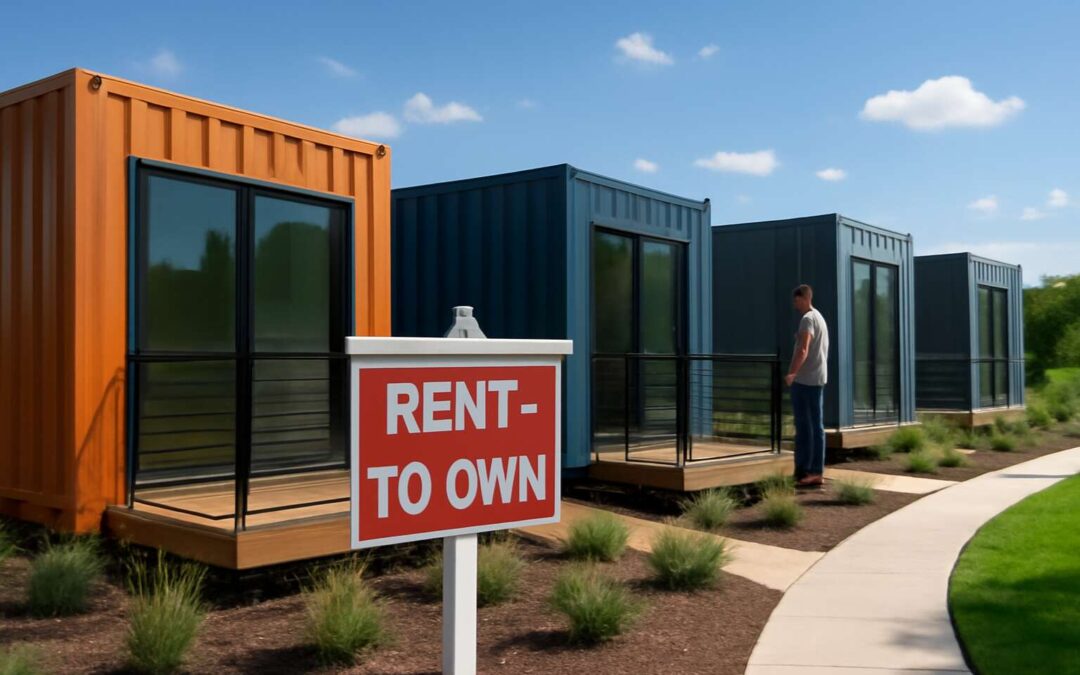
Rent-to-own Shipping Container Overview
Benefits and Cost Savings
Storage demands are evolving in South Africa’s fast-moving markets, and a fresh approach is gaining ground! A recent SA survey shows 60% of small businesses need extra on-site storage at some point, underscoring the value of flexible solutions.
Shipping containers rent to own unlocks rapid access to secure space without heavy upfront costs. This model pairs affordability with a path to ownership, letting you pay down over time while you retain use of the container during the transition.
Key benefits include:
- Fixed monthly payments
- Option to purchase at a later date
- Rapid deployment across sites
Cost savings arise from avoiding new construction, avoiding permits, and maximizing space efficiency. For urban operations in SA, this approach reduces lead times and logistics friction, turning storage into a scalable asset.
How Rent-to-Own Works for Containers
Across South Africa’s dynamic markets, storage flexibility is a strategic asset. A SA survey shows 60% of small businesses need extra on-site storage at some point—making on-demand space critical. shipping containers rent to own offers rapid, secure space with predictable payments and a path to ownership, letting sites scale as demand shifts. This approach turns a temporary solution into a lasting asset, blending affordability with practical permanence.
- Assess site needs, choose container size, and confirm terms.
- Enter a fixed-payment lease-to-own agreement that keeps the container on-site during the transition.
- Complete payments to own, or adjust terms; title transfer and maintenance responsibilities are defined up front.
Rapid deployment across sites, clear timelines, and transparent responsibilities minimize downtime for busy operations. In South Africa’s urban landscapes, this model turns on-site space into an adaptable asset—ready when market rhythms demand it.
Typical Terms and Fees
Space is a scarce currency on South African sites, and peak-season bottlenecks can stall a project. A recent SA survey shows 60% of small businesses confront on-site storage pressure, making shipping containers rent to own a practical option. It delivers rapid, predictable space with a clear path to ownership.
Typical terms and fees emphasize clarity and minimal downtime. Expect a fixed-payment lease-to-own model, a defined term, and ownership transfer once payments conclude. Fees cover delivery, setup, maintenance, and insurance, all laid out up front to avoid surprises.
- Fixed-payment lease-to-own structure
- Ownership transfer upon completion
- Delivery, installation, and maintenance defined
- Insurance and taxes outlined in agreement
With transparent timelines and responsibilities, sites plan around demand rather than chase it, turning flexible space into a durable asset across South Africa’s urban landscapes.
Suitable Uses and Case Studies
Space is the scarce currency threading through South Africa’s city veins, and in moments of peak demand, storage becomes a pulse you can hear in the walls. shipping containers rent to own offers a doorway—tangible, fast, and almost alchemical—turning idle steel into a usable heartbeat for your operation.
Within a practical orbit, these units become versatile tools. Suitable uses include on-site storage for retail stock and seasonal inventory, portable workshops on busy sites, and secure space for project plans or spare parts. The units adapt to your workflow, arriving ready to go and blending into urban spaces with quiet efficiency.
- On-site storage for seasonal stock and peak-time demand
- Portable workshop or tool shed for construction crews
- Temporary archive or project documentation space
Case studies drift in as momentum blooms. In Cape Town, a coastal trader pressed a container into climate-ready storage; in Durban, a builder ran a mobile workshop where crews meet the day.
Choosing the Right Container for Rent-to-Own
Container Types and Variants
Markets here move fast, and a well-chosen container can be a mobile, weatherproof room that outlasts the season. A client once joked, “In South Africa, a container is storage with manners and a plan.” It’s a punchy reminder that shipping containers rent to own can be more than a box.
When selecting, weigh footprint, climate, and access. For shipping containers rent to own, start with 20ft versus 40ft, standard versus high-cube, and door orientation that suits your workflow.
- Standard 20ft or 40ft options for simple setups
- High-cube variants for extra headroom
- Insulated or climate-controlled builds for SA weather
- Sturdy doors and secure locking for site safety
Choosing the right variant feels like tailoring a suit: precise, durable, and a touch discreet.
Sizing and Capacity Considerations
Size dictates flow, and in the arena of shipping containers rent to own, the right footprint transforms a box into a versatile asset. A 20ft unit feels agile and affordable; a 40ft option grants open floor space and extra headroom for equipment, crews, or a workstation that breathes.
Begin with practical capacity and a careful forecast. For a site in South Africa, the aim is to balance daily needs with room to scale.
- footprint and stacking space
- ceiling height and ventilation
- access points and door orientation
- weight limits and floor strength
In all, choosing size is an act of elegance and restraint—engineering balance for long-term value in the urban and rural landscapes where SA thrives.
Durability and Build Quality
Durability isn’t a luxury—it’s the first line of defense in shipping containers rent to own, especially as South Africa’s climate and sites test each box’s mettle. A unit that resists corrosion, seals condensation, and supports heavy daily use becomes a long-term asset rather than a recurring expense. When you choose, you’re choosing not just a container but a partner in your operation’s resilience.
Focus on build quality features that survive SA conditions.
- Corrosion resistance and protective coatings tailored to SA extremes
- Reinforced floors and ceiling for heavy daily use and forklift traffic
- Tight seals, ventilation, and condensation control for variable temperatures
Choosing build quality with a discerning eye leads to long-term value in both urban and rural SA landscapes, especially in shipping containers rent to own programs. The right container acts as a silent, steadfast workspace—ready when you are.
Sourcing and Supplier Vetting
Choosing the right container for shipping containers rent to own sourcing is less about aesthetics and more about operational psychology. As one veteran foreman quips, ‘A good container never complains; it just keeps working.’ In South Africa’s varied landscapes, a dependable unit becomes a silent partner—resisting corrosion, easing deliveries, and standing up to daily wear. Supplier vetting is half the win, and the other half is choosing the one that actually shows up.
- Proven reputation and local references
- Delivery coverage and maintenance support
- Transparent pricing and warranties with responsive service
Beyond paint and payload, look for precise load ratings, floor integrity, and reliable seals. A thoughtful vendor will tailor terms to SA conditions—urban hubs and rural depots alike—without drama. The right supplier aligns with shipping containers rent to own program, offering terms that survive SA climate and keep your schedule intact.
Customization Options
Choosing the right container for shipping containers rent to own is more than a color swatch; it’s a compass for your operation. In SA’s varied landscapes, the unit becomes a silent ally—standing up to rust, easing deliveries, and keeping your schedule intact even when storms roll in. The right partner feels almost telepathic: it arrives on time, fits your yard, and never complains about changes in plan. Adventure awaits when the box performs like clockwork!
- Insulation and ventilation tuned to South Africa’s climate
- Secure access with weatherproof doors and locking systems
- Interior layouts for optimal workflow, shelving, and racking
- Exterior finishes and galvanic protection to resist coastal salt and inland dust
A vendor who speaks your language will tailor terms to SA conditions, juggling urban and rural needs without drama.
Financing and Contract Details
Payment Structures and Down Payments
On SA sites where cash flow dictates pace, shipping containers rent to own offers a rhythm that keeps projects moving. This approach lets you secure durable storage without draining capital. It turns space into a movable asset you can deploy as plans evolve.
Financing is drafted with clarity: predictable monthly instalments, a clearly defined down payment, and an end-of-term option that puts ownership within reach.
- Flexible payment milestones aligned to project cash flow
- Fixed vs. variable rates depending on term and volume
- End-of-term ownership option or continued rental with renewal terms
Contract details cover insurance, maintenance, and transfer of title, all spelled out in plain language so there are no surprises. In South Africa, terms are commonly tailored to rand-based payments and local compliance, keeping partners aligned and confident. That clarity is the quiet engine behind a confident build, shipping containers rent to own included.
Lease-to-Own vs Purchase Options
Shipping containers rent to own can feel like a secret map to project freedom; in South Africa, flexible financing keeps sites humming as plans shift. Financing arrives with clarity: predictable monthly instalments, a defined down payment, and an end-of-term option that makes ownership a reachable treasure. Rand-based payments align with local cash flow, turning storage into a movable asset that travels with the project.
To navigate options, teams weigh Lease-to-Own against Purchase, a crossroads that hinges on cash flow, risk tolerance, and long-term needs.
- Lease-to-Own: fixed instalments with ownership unlocked at term end.
- Purchase: higher upfront payment or structured down payment for immediate transfer.
- Extended Rental: continued use with renewal terms if plans shift.
Contract details spell out insurance, maintenance, and who holds title, in plain language so no surprises arise. This clarity is the quiet engine behind confident builds—shipping containers rent to own, tailored to South African requirements.
Term Lengths and Renewal
Projects move fastest when money moves first. Financing for shipping containers rent to own cuts through the noise and lands as clarity on the job site. Expect predictable monthly instalments, a defined down payment, and an end-of-term option that unlocks ownership. Rand-based payments keep cash flow stable, letting your project move forward even when plans shift.
- Term lengths typically range from 24 to 60 months, chosen to fit project lifecycles.
- Renewal options give flexibility: extend the rental or refresh terms if requirements change.
- Ownership transfer is triggered at the end of the term, or you can convert to a straight purchase if preferred.
Contracts spell out insurance, maintenance, and who holds title in plain language. This transparency keeps surprises at bay and underwrites smooth handovers. It’s the quiet engine behind confident builds—tailored solutions for South Africa.
Insurance, Maintenance, and Warranties
Financing for shipping containers rent to own clarifies cash flow with predictable monthly instalments, a defined down payment, and a straightforward path to ownership at term end. Rand-based payments help South African projects ride out shifts in plan without budget chaos. The contract spells out insurance, maintenance, and warranties, so there are no surprises on site.
- Insurance: required coverage, named insured, and replacement value aligned to market rates.
- Maintenance: responsibilities, service intervals, and who handles on-site repairs.
- Warranties: duration, scope (structure, corrosion), and claim procedures.
- Ownership transfer: timing and options at term end, including conversion to purchase.
This transparent framework acts as the quiet engine behind steady progress on South Africa’s builds, turning rented assets into predictable, on-time delivery with every phase.
Logistics Delivery and Setup
Site Preparation and Permits
Delivery is the moment when a plan meets the ground, and the land seems to listen. With shipping containers rent to own, a project can begin with confidence, as trucks roll in and crews size up the horizon. Precise arrival windows set the pace, from Cape Town to the Highveld.
Site preparation and permits tilt the world toward durability. Level the ground, pour a sturdy foundation if needed, and plan drainage so rain never carries progress away. Local councils and by-laws govern the permits, so alignment with authorities matters.
- Clear access for delivery trucks and cranes
- Solid, level ground or a concrete pad
- Drainage and flood considerations
- Permits and compliance with local by-laws
When these steps are handled with patience and care, the container becomes more than metal, a space for growth and resilience in the South African dream.
Delivery Logistics and Access
<p When the trucks roll in and the horizon seems to pause, delivery logistics become an art of timing—I've seen that rhythm in action. With shipping containers rent to own guiding the way, a Cape Town or Johannesburg site can begin with confident anticipation, every window respected and planned!
Logistics and access demand a quiet choreography. Here are the essentials that ensure a smooth offload and settling:
- Clear road and gate access with sufficient turning space
- Adequate crane paths and strong ground for lifting
- Timely coordination between drivers, on-site crew, and operators
- Contingency windows for weather and unexpected delays
From that first clang of metal to the final lock, the journey carries a sense of ceremony. That process becomes more than transport; it becomes a home for work, dreams, and South Africa’s evolving skyline.
On-Site Installation and Modifications
Site-ready delivery is half art, half logistics. In South Africa’s bustling construction pockets, getting a container on site fast is less about luck and more about planning—and it starts with the right partner in shipping containers rent to own.
Delivery logistics cover route, access, and timing. Weather windows are never optional and never a guess; they determine unloading zones and door alignment, ensuring doors don’t freeze or swing wide like a carnival tent.
- Access clearance and unloading zone planning
- Ground conditions and space for maneuvering
- Weather windows, permits, and neighbor coordination
On-site installation and modifications fine-tune the setup: anchor the unit to a stable foundation, seal gaps, fit doors and ramps, and wire in basic lighting or power outlets as needed. All work respects safety standards and local codes.
Long-Term Maintenance and Access Solutions
Logistics Delivery and Setup are the opening act of a durable partnership. When you opt for shipping containers rent to own, you gain more than a sturdy shell—you gain a nationwide support network that keeps projects moving through South Africa’s bustling hubs and quiet townships alike. Our planning treats access routes, unloading zones, and site rhythms as collaborators, turning bottlenecks into a confident, predictable flow. It’s a rhythm that turns obstacles into opportunity!
Long-Term Maintenance and Access Solutions keep the container performing with minimal interference. Remote monitoring, scheduled servicing, and a well-stocked parts pool shorten downtime, while service standards align with local safety codes and warranties, ensuring longevity through changing seasons and markets with quiet confidence.
- Routine inspections and component replenishment
- Security upgrades and door hardware refresh
- Corrosion protection, coatings, and seal maintenance
- Smart access management and ramp upkeep
Cost Comparison and ROI
Total Cost of Ownership vs Buying New
ROI on a project timeline like yours hinges on real cash flow. With shipping containers rent to own, the Total Cost of Ownership often beats buying new when financing, depreciation, and long-term upkeep are weighed over years. The promise isn’t just lower upfront costs; it’s predictable payments that align with a growing operation here in South Africa.
To weigh the numbers, watch these cost drivers:
- Lower upfront capital versus a full purchase
- Fixed, predictable monthly payments over the term
- Maintenance, upgrades, and potential resale value baked in
Over the long horizon, ROI isn’t a one-time headline but a story of lifecycle costs, flexibility, and risk management. In South Africa, the right rent-to-own arrangement preserves capital for growth while keeping your project adaptable to shifting demand.
Rent-to-Own vs Traditional Leasing
In a South African landscape where cash flow can make or break momentum, shipping containers rent to own offers a steadier path to scale. ROI here is not a single headline but a lifecycle story—predictable payments, long-term cost clarity, and a shield against sudden maintenance shocks as demand shifts!
When you lay the numbers against traditional leasing, the advantage often sits with rent-to-own: finance costs and depreciation are spread over years, and upkeep is anticipated rather than surprise. The true benefit is freedom to grow without locking capital away.
- Lower upfront capital with flexible funding
- Fixed monthly payments that match growth trajectories
- Maintenance, upgrades, and resale value integrated into the plan
Resale Value and Depreciation
‘Predictable payments are the ballast of growth,’ a veteran operator says. In South Africa, shipping containers rent to own offers a steadier path to scale, turning cash flow into a strategic asset. ROI unfolds as a lifecycle story: predictable payments, long-term cost clarity, and a shield against maintenance shocks as demand shifts.
- Lower upfront capital with flexible funding
- Fixed monthly payments that match growth trajectories
- Maintenance, upgrades, and resale value integrated into the plan
Over the long horizon, depreciation is anticipated rather than a shock, and resale value becomes a deliberate component of ROI. With this rent-to-own approach, fleets stay adaptable, budgets stay calm, and growth keeps pace with demand.
Cash Flow and Tax Considerations
Cost comparisons reveal how shipping containers rent to own cushions risk and accelerates scale. With lower upfront capital and fixed monthly payments, fleets glide into growth while maintenance costs are bundled into the plan; this steadies cash flow against fluctuations in demand across South Africa’s markets.
ROI cash flow unfolds like a lifecycle chorus: predictable installments fuel expansion, while depreciation becomes expected value rather than a jolt. Resale value is embedded in the equation, shaping long-term ROI. Tax considerations follow suit, with VAT considerations for registered businesses and wear-and-tear allowances softening the tax bill.
- VAT treatment for VAT-registered buyers
- Depreciation and wear-and-tear allowances
- Impact of resale value on taxable gains
Taken together, the structure supports disciplined growth in a market where timing matters as much as load capacity.
