
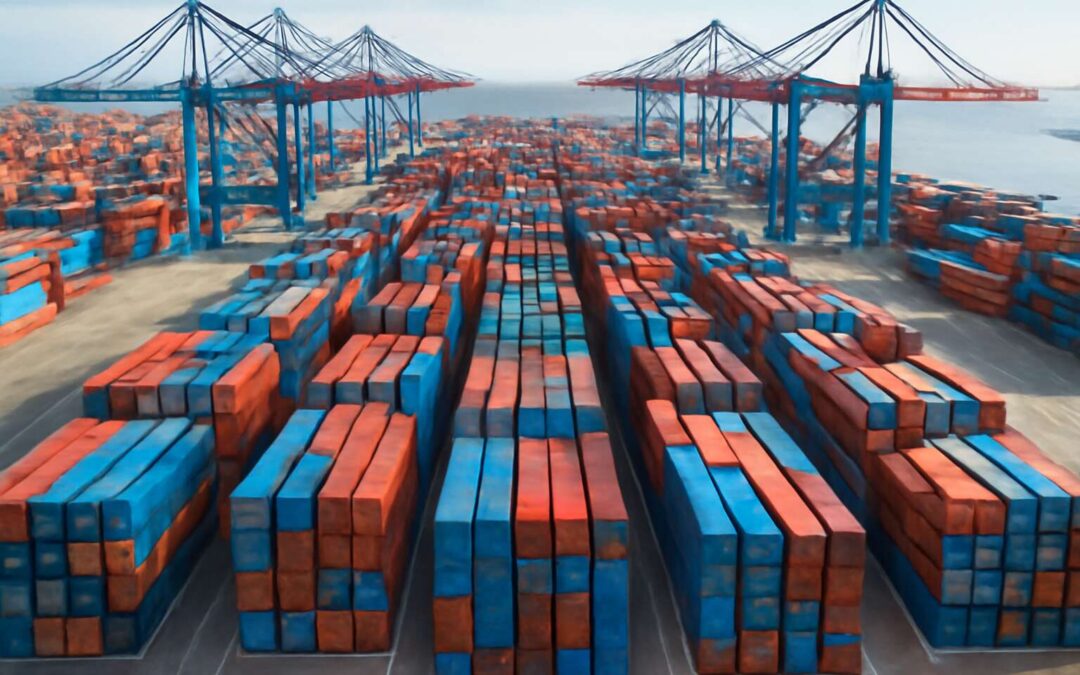
Size Overview and Evolution of Cargo Containers
What Defines a Shipping Container Size
A single container can shuttle goods from Durban to Cape Town and beyond, turning a steel box into a moving thread in the fabric of our economy. I’ve stood at the quay and watched cranes pair boxes with patient precision. Size overview isn’t just inches and feet; it governs crane reach, terminal spacing, and how efficiently a warehouse breathes. In global trade, choosing the right dimensions keeps goods flowing and prices steady.
From humble wooden crates to ISO-standard steel boxes, cargo containers evolved into a universal language. The largest shipping containers push toward longer, higher‑cube designs, with 40- and 45‑foot forms ruling most lanes; in North America, 53-foot variants play their own role.
- Length: 20′, 40′, 45′, and 53′ where allowed
- Height: standard 8’6″ or high-cube 9’6″
- Width: 8’6″
- Corner fittings and weight limits
What defines size? It is a balance of external footprint, interior capacity, and safety limits. The key factors are the outside dimensions, door width, and the way corner castings anchor stacking on ships and in yards serving South Africa’s coast and inland corridors.
Historical Milestones in Container Scaling
Containerized trade accounts for roughly 80% of global seaborne cargo, and at the Durban quay you feel the quiet drama as cranes kiss the box and the vessel. The largest shipping containers stretch toward longer, higher-cube designs, turning a steel box into a moving thread that binds continents and economies.
The milestones arrived in compact chapters:
- 1940s–1950s: The seed of standardized steel boxes emerges, ready for crossing oceans.
- 1960s–2000s: ISO norms, high-cube designs, and 53-foot intermodal growth.
Size is the dialogue between footprint, interior rhythm, and safety margins. Corner castings anchor stacks on ships and yards, while width and height govern clearance in cranes and doors. Across South Africa’s coast, these constraints shape every berth and inland corridor.
Current Largest Dimensions in Use
Size is more than inches; it’s the tempo of a thriving supply chain. In Durban’s harbor and along South Africa’s coast, the largest shipping containers stride ashore with quiet authority, turning a steel box into a moving thread that stitches continents. Their dimensions balance capacity, clearance, and safety—an elegant compromise that keeps ships flowing!
Current largest dimensions in use reveal three core templates:
- 53 ft long, 8 ft 6 in wide, high-cube options up to 9 ft 6 in
- 40 ft and 45 ft high-cube variants for global intermodal flows
These numbers matter less as jargon and more as a choreography: width governs crane clearance, height dictates roof access, and corner castings anchor stacks across ships and yards. For South Africa, the dialogue around size keeps shaping our ports, rail links, and inland corridors—the largest shipping containers writing the landscape.
How Size Impacts Handling and Transport
Size is a language for global trade. The largest shipping containers are less about heft and more about choreography, shaping routes and rhythms of entry to Durban’s docks and beyond. Over decades, the evolution from modest boxes to purpose-built high-cube giants has redefined what intermodal means—unlocking longer legs between continents while keeping ships nimble enough to weave through crowded harbors.
- Width governs crane clearance and gantry spans.
- Height determines roof access for stacking and ventilation.
- Length shapes yard density and ship stowage patterns.
- Corner castings anchor stacks across ships and yards.
I watch the yard pulse as these sizes steer handling and transport through every touchpoint—lifting schedules, rail alignments, and yard density—while preserving safety. For our South African routes, these dynamics resonate with Durban’s port cadence and inland corridors, where the largest shipping containers set the tempo of movement and investment.
Common Misconceptions About Container Size
Cargo isn’t just context; it’s choreography. More than 60% of global trade by value travels in containers, moving with a rhythm that Durban’s docks know by heart. The largest shipping containers aren’t merely longer; they’re smarter, taller, and more attuned to intermodal rhythms.
Size overview and evolution: From humble 20-footers to high-cubes and purpose-built giants, sizes evolved to balance yard density and ship handling. Width, height, and corner castings aren’t trivia; they are the rules that let cranes clear spans and stack safely, while fleets chase longer legs between continents.
Common misconceptions about container size still haunt operators and auctioneers alike. Here are a few that deserve a second look:
- Longer ≠ more capacity; height and cross-section count too.
- 40 ft isn’t universal; 45 ft and 53 ft exist for specific regions.
- Interior dimensions vary by model; volume isn’t a simple length × width equation.
Standards, Measurements, and Engineering
ISO and Global Standards for Dimensions
Size rules the seas, and the largest shipping containers earn their reputation the moment they roll beneath a crane. Global commerce swims on predictable dimensions, not bravado; every turn of the wheel rests on inch‑by‑inch agreements that harmonize holds, doors, and corner fittings from Cape Town to Shanghai.
Standards, measurements, and engineering align to ISO and global norms, ensuring these giants mingle with any vessel.
- ISO 668 — exterior dimensions and tolerances
- ISO 1161 — corner fittings and load interfaces
- ISO 1496-1 — general specifications and test methods
Measurements are not mere numbers; they choreograph handling, stacking, and logistics. In South Africa’s ports, teams verify every inch to ensure safe liftoff and smooth cross‑border movement, a discipline as precise as a poised handshake.
Core Metrics: Length, Width, and Height
In a port world, the largest shipping containers decide how smoothly the cargo ballet performs under a crane and along a quay. The three core metrics—Length, Width, and Height—are the levers of all planning, from stacking to door clearance to air-gap calculations.
- Length
- Width
- Height
These numbers are not whimsy; they map to ISO 668 exterior dimensions, ISO 1161 corner fittings, and ISO 1496-1 general specifications, ensuring interchangeability across fleets and vessels from Cape Town to Shanghai. In South Africa’s busy ports, precision here keeps the lifter sane and the cross-border flow efficient.
Weight Limits and Load Safety
Standards govern every bolt and cradle in the port ballet. In South Africa, engineers align with ISO references to translate exterior dimensions, corner fittings, and general specs into real-world load safety. It’s the quiet force behind every lift, determining how much a container can bear.
Measurements are not guesswork; they’re calibrated, traceable, and embedded in crane software and yard routines to guarantee safe operation.
- Maximum Gross Weight and payload per container class
- Tare weight, door clearance, and stack height checks
- Design margins for lashings, wind, and seismic events
For the South African cargo ballet, these standards keep the quay and the gantry in harmony, especially with the largest shipping containers in circulation.
Material Innovation for Bigger Containers
Port precision is a quiet driver of throughput. A single percentage point of measurement accuracy can translate into hours saved on a busy quay. In South Africa, engineers translate exterior dimensions into real-world safety through ISO references, keeping the port ballet in sync.
Measurements are calibrated, traceable, and embedded in crane software and yard routines to guarantee safe operation. This is the quiet arithmetic that underwrites every lift.
Engineering material innovation is quietly rewriting scale.
- Advanced high-tensile steels and aluminum alloys for lighter yet stronger skins
- Corrosion-resistant coatings and sealants designed for coastal environments
- Reinforced corner fittings and modular frames enabling longer spans
For the largest shipping containers, these standards and innovations keep the quay and gantry in harmony, even under wind and seismic tests, across South Africa’s ports.
Structural Integrity for Large Volumes
Port choreography runs on quiet arithmetic: standards, measurements, and engineering judgment keep the rhythm when cranes kiss steel into safe, stackable order. For the largest shipping containers, precision matters more than flair, especially on South Africa’s quays where every millimetre translates to throughput. The game is audit-friendly: traceable measurements, ISO references, and a shared grammar of tolerances that keeps the port ballet in harmony.
Fundamental standards and measurement regimes are not mere paperwork; they are the stage on which safety and speed perform.
- Dimensional verification against tolerance bands using calibrated gages
- Material traceability from manufacture to field deployment
- Fatigue, corrosion, and seismic durability assessments embedded in design software
Engineering the structural integrity of large volumes requires more than brute force; it demands smart joints, redundancy, and a conservatism that keeps the gantry calm when gusts rise. In South Africa’s ports, this philosophy translates into uptime rather than romance!
Use Cases and Industries
Intermodal Transport Challenges and Solutions
Across South Africa’s coastlines and inland corridors, trade turns on the shoulders of the largest shipping containers. Global throughput runs into hundreds of millions of TEU each year, and these giants turn distant factories into near neighbors, linking Durban’s docks with Gauteng’s inland hubs in a seamless rhythm.
- Heavy machinery and oversized loads
- Automotive parts and assemblies
- Agricultural equipment and relief shipments
Intermodal challenges surface where ships meet trains and trucks. Capacity strains, uneven weight distribution, and the need for reinforced frames test the fleet. Solutions appear as coordinated scheduling, stronger corner fittings, and smart tracking that reduce dwell times across South Africa’s logistics corridors.
Industrial and Heavy-Duty Freight Applications
South Africa’s ports pulse in a midnight tempo, where largest shipping containers stand as sentinels along the quay. Global throughput runs in the hundreds of millions of TEU each year, turning distant factories into near neighbors. These iron coffins of possibility carry cargo, risk, and the quiet drama of logistics.
Use cases thread through industrial and heavy-duty freight, giving shape to a shadow economy of scale:
- Offshore wind components and modular power units bound for coastal hubs and inland yards
- Mining equipment, crushers, and conveyor modules moving from bulk yards to remote processing sites
- Specialized spares, laboratory modules, and relief shipments for time-critical operations in challenging environments
Across South Africa’s inland corridors, these giants synchronize with rails and roads, turning long journeys into measured routes and quiet efficiency. The legacy of the largest shipping containers endures in every docking maneuver, a dark beacon guiding trade through the specter of distance.
Construction and Temporary Storage Solutions
On South Africa’s construction sites, space is currency and time is protection against weather. The largest shipping containers stand as weatherproof, plug-and-play storage and command posts, sentinels along the quay, turning barren yards into organized micro-hubs. They shield tools, secure sensitive equipment, and create instant, insulated breakout spaces for crews who move with the pace of the day.
- On-site storage for heavy machinery, scaffolding, and bulk materials
- Modular site offices, meeting rooms, and safe breakout spaces
- Temporary workshops and sheltered staging areas for rapid assembly
In inland corridors and coastal projects, these modular giants adapt with minimal footprint; they endure heat, rain, and dust, while accelerating response times. Their portability means a temporary storage solution can become a temporary office, a workshop, or a light-duty warehouse in hours, not days.
Cold Chain and Temperature-Control Large Containers
Temperature is infrastructure, a living backbone of every food and medicine supply. A veteran of the docks once quipped, “Temperature is infrastructure,” and the truth hums through Cape Town and Durban alike. For cold chain and temperature-control needs, the largest shipping containers stand sentinel, preserving perishable cargo from farm to shelf, weathering heat, dust, and time as if it were nothing but a gentle winter breeze.
- Fresh produce, dairy, and seafood with steady climate control
- Pharmaceuticals and vaccines requiring strict temperature bands
- Remote sites such as mines, camps, and disaster zones
In South Africa’s evolving logistics map, these devices turn rugged edges into reliable routes, where time and temperature dance in harmony and supply chains never sleep!
Military and Humanitarian Deployment Scenarios
“In crisis, the first crate is the signal relief has arrived,” a veteran field officer told me. The largest shipping containers become lifelines, doubling as field clinics, command posts, and sturdy storage in austere zones. From Cape Town to the Karoo, they shift logistics into motion.
In military and humanitarian deployments, they adapt to landscapes as varied as the missions. Pre-fitted as medical bays, rapid-deploy kitchens, or comms hubs, they keep teams fed, connected, and safe, while weatherproof storage protects sensitive gear in remote sites.
- Mobile medical bays
- Command and communications hubs
- Temporary housing and storage modules
In disaster relief, these behemoths become modular hubs for shelter, power, and coordination—scaling to meet demand, while remaining transportable by air, sea, or road. The versatility of the largest shipping containers enables rapid redeployment as missions evolve.
Procurement, Costs, and Availability
Sourcing New vs Used Large Containers
Across Africa’s trade lanes, the race for the largest shipping containers isn’t just about space—it’s about unlocking capacity where it matters most. A freight planner once quipped, “Size is the signal we read before the voyage begins.” In South Africa, procurement teams weigh options against local availability and port logistics for these giants.
New containers offer pristine hulls, warranty, and predictable performance, while used units slash upfront risk and speed up deployment. Availability can swing on auctions, decommissioning cycles, and regional stockpiles, so timing is critical.
Key considerations include:
- New: warranty, corrosion resistance, safer long-term operation
- Used: lower upfront cost, faster delivery, potential refurbishments
- Availability: current stock, lead times to SA ports, and transport to site
In practice, a balanced mix often yields the best outcome for projects demanding maximum volumes with predictable performance.
Cost Drivers and Lifecycle Expenses
Procurement for the largest shipping containers in South Africa hinges on choice, timing, and logistics — a 20% uplift in project speed. New units bring warranty and predictable performance; used units slash upfront risk but may demand refurbishment. Availability shifts with auctions, decommissioning cycles, and regional stockpiles, so timing is everything when the voyage looms.
- Upfront purchase price differences between new and used units
- Transport logistics to South Africa ports and inland delivery
- Warranty coverage, refurbishment needs, and ongoing maintenance
- Insurance, taxes, depreciation, and end-of-life salvage options
Costs anchor the project. Upfront prices differ, but lifecycle expenses—maintenance, refurbishments, insurance, and depreciation—shape the total. A balanced mix of new and used units optimizes cash flow, warranty, and long-term reliability for the largest shipping containers.
Availability cost drivers and lifecycle considerations hinge on stock, lead times to SA ports, and the transit to site. Refurbishment, corrosion protection, and replacements keep performance high.
Lead Times, Availability, and Regional Variations
Procurement for the largest shipping containers in South Africa hinges on choice, timing, and logistics—three levers that can shave weeks off a project when tuned well. A strategic mix of suppliers, delivery windows, and transport options builds reliability, warranty, and predictable performance into the fleet.
Costs go beyond upfront price. Upfront differences pale against lifecycle expenses—maintenance, refurbishment, insurance, and depreciation; a blended approach smooths cash flow and sustains warranties.
- Auction cycles and decommissioning schedules
- Regional stockpiles and regional variations in capacity
- Transit times to SA ports
Availability lead times vary by region and port; in South Africa, sea transit, inland delivery, and customs clearance shape the window.
Customization Options and Compliance
Procurement for the largest shipping containers is more than buying steel; it’s planning the supply chain. A diversified supplier mix, flexible delivery windows, and adaptable transport options can shave weeks off a project in South Africa, especially around Durban and the Cape Town corridor. Solid warranties and predictable delivery outcomes build true fleet reliability.
Costs go beyond the upfront price. Lifecycle expenses—maintenance, refurbishment, insurance, and depreciation—shape total value. A blended financing approach smooths cash flow and preserves warranties.
- Lifecycle maintenance costs
- Insurance and depreciation
- Residual value considerations
Availability customization options and compliance drive readiness. Availability hinges on regional stockpiles, port congestion, and customs timelines. Specs include door locations, insulation, ventilation, and corrosion protection, all designed to meet ISO standards and South African regulatory requirements for safety and traceability. These choices keep the fleet ready without compromising safety.
Maintenance, Repair, and Lifecycle Considerations
Procurement for the largest shipping containers is less about stacking steel and more about shaping a resilient, data-driven supply chain. In South Africa, a diversified supplier mix and flexible delivery windows can shave weeks off projects along the Durban and Cape Town corridor. Solid warranties and predictable delivery outcomes build true fleet reliability!
Costs extend beyond the upfront price. Lifecycle maintenance, refurbishment, insurance, and depreciation define true value. A blended financing approach smooths cash flow and preserves warranties, keeping fleets ready in markets where capital discipline matters.
Availability hinges on regional stock levels, port congestion, and customs timelines. Maintenance and timely repairs extend service life, while careful attention to specs—door locations, insulation, ventilation, and corrosion protection—ensures readiness and safety.
- Diversified supplier networks
- Flexible transport scheduling
- Clear warranty and service plans
