
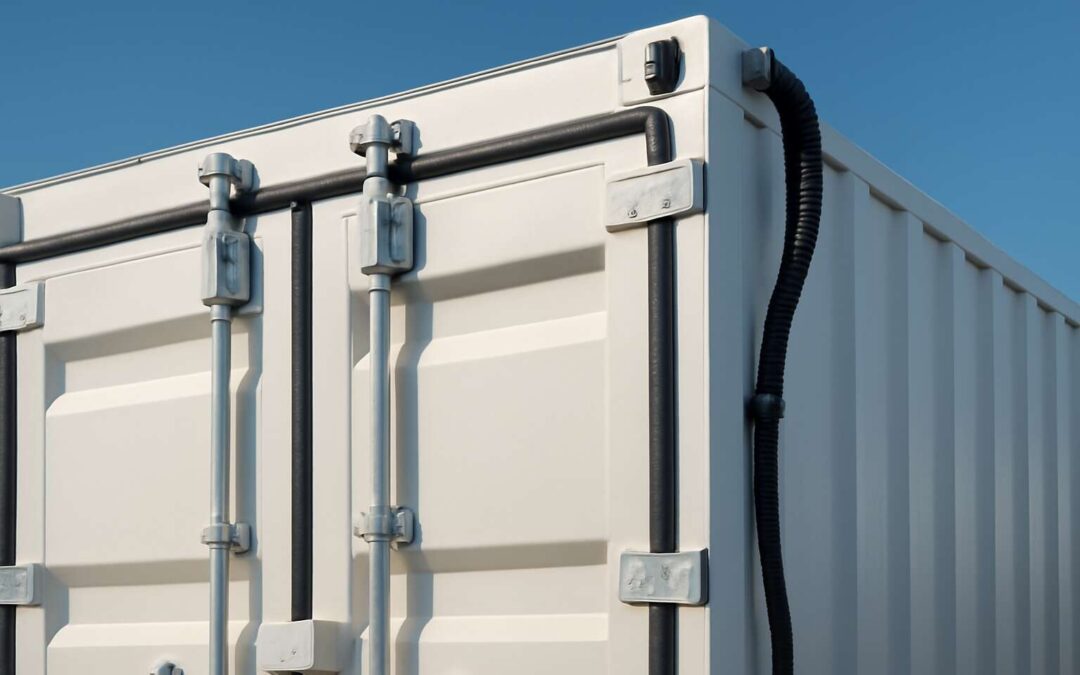
Understanding Shipping Containers and Their Usage
Overview of Shipping Containers – Types and Construction of Shipping Containers
Shipping containers have become the backbone of global trade, transporting everything from precious cargo to everyday essentials across vast oceans. Their robust construction and standardized dimensions make them indispensable, yet their design also invites scrutiny—particularly when it comes to safeguarding contents from unwanted intruders. The question lingers: are shipping containers rodent proof? Understanding the intricacies of their construction is key to ensuring your valuable goods remain pristine and pest-free.
Typically crafted from high-grade steel or aluminum, shipping containers are engineered for durability rather than pest resistance. They come in various types—standard dry containers, refrigerated units, and open-top variants—each serving distinct logistical needs. Their formidable exterior is designed to withstand harsh environments, but this does not inherently guarantee rodent proofing. The gaps, vents, and access points essential for ventilation can inadvertently become entry points for rodents.
To enhance their protective qualities, some containers are fitted with specialized seals and pest-proof locks, transforming them into more secure, rodent-resistant environments. When considering whether a container is truly rodent proof, it’s vital to evaluate the integrity of these seals, especially around doors and vents. After all, a container’s resilience isn’t just about its rugged exterior but also about the meticulous details that prevent tiny intruders from slipping inside.
Common Uses and Benefits – Why Shipping Containers Are Popular for Storage and Transport
In the intricate dance of global commerce, shipping containers serve as the silent sentinels of trade, their steel frames bearing the weight of countless transactions that shape economies. Beyond their formidable exterior lies a world of nuanced utility—used for everything from transforming vacant lots into makeshift warehouses to creating mobile offices that traverse borders with ease. Their versatility is unmatched, offering a secure, weather-resistant environment that can be adapted for diverse storage needs with minimal fuss.
For many, the appeal of shipping containers lies not just in their robustness but in their capacity to be customized, making them ideal for various applications. From storing agricultural equipment in rural South Africa to housing vital supplies during logistics operations, these containers are integral to modern commerce. Their widespread use underscores a simple truth: when designed and maintained correctly, they can be remarkably resilient against pests, including rodents. But the question remains—are shipping containers rodent proof? The answer hinges on factors like construction quality, sealing integrity, and ongoing pest management strategies.
The Threat of Rodents to Shipping Containers
Why Rodents Invade Shipping Containers – Attractants and Entry Points
The threat of rodents infiltrating shipping containers is a silent menace that can unravel the integrity of goods and compromise entire supply chains. These agile invaders are driven by the promise of shelter and sustenance, often attracted by the scent of stored commodities or organic residues lingering within. Once they discover an entry point—be it a tiny crack or a poorly sealed door—they can swiftly establish themselves, turning a secure container into a breeding ground for chaos.
Understanding why rodents invade shipping containers is crucial. They are opportunistic creatures, relentlessly seeking warmth and food sources during long voyages or storage periods. To combat this, it’s vital to ask: are shipping containers rodent proof? Because the answer hinges on meticulous sealing, robust construction, and proactive pest management strategies. Only through vigilant design and maintenance can we ensure these containers remain sanctuaries of safety, rather than unwelcome habitats for rodents.
Risks Associated with Rodent Infestation – Damage to Goods and Health Hazards
Within the shadowed confines of a shipping container, danger lurks unseen but fiercely felt. Rodents, with their keen noses and relentless drive, threaten to turn these steel sanctuaries into chaos. Their insatiable appetite for organic residues and their uncanny ability to infiltrate even the smallest cracks make them formidable foes. The question that haunts logistics professionals is simple: are shipping containers rodent proof? The answer hinges on meticulous design and unwavering vigilance.
When rodents invade, the damage is swift and devastating. They gnaw through packaging, chew on wiring, and compromise the very integrity of goods. Beyond the tangible destruction lies a more insidious threat—health hazards. Contamination from droppings and urine can spread disease, threatening not only cargo but the health of entire supply chains. In fact, a single rodent infestation can result in significant financial losses and safety risks, making the need for rodent-proof shipping containers more urgent than ever.
- Structural vulnerabilities—tiny gaps or poorly sealed doors—offer easy entry.
- Organic residues inside the container act as irresistible bait for these crafty invaders.
- Prolonged storage or voyage durations increase the likelihood of infestation, especially if the container is not properly sealed or maintained.
Are Shipping Containers Naturally Rodent Proof?
Material and Design Considerations – Standard Container Features
While shipping containers are often lauded for their durability and versatility, their natural resistance to rodent intrusion is a nuanced subject. The materials used—primarily corrugated steel—offer a formidable barrier, but the question remains: are shipping containers rodent proof? Steel, by its very composition, is inherently resistant to gnawing, yet the design and maintenance of the container play pivotal roles in determining its efficacy. Small gaps, poorly sealed doors, or compromised structural integrity can serve as inviting entry points for rodents seeking shelter or food. The design considerations—such as tight seals and minimal crevices—are crucial in enhancing their rodent-proof qualities, but they are not foolproof.
Standard container features—like sealed doors and smooth surfaces—do contribute to making these units less inviting to rodents. However, it’s essential to recognize that without proper reinforcement, even the sturdiest containers can be compromised. For optimal protection, additional measures such as installing steel mesh or sealing potential entry points are often recommended. Ultimately, while the materials and design features of shipping containers significantly influence whether they are shipping containers rodent proof, vigilance and supplementary sealing are indispensable in safeguarding stored goods against these unwelcome invaders.
Potential Vulnerabilities – Gaps, Doors, and Ventilation Openings
Shipping containers are often thought to be inherently rodent proof due to their sturdy steel construction. However, the reality is more complex. While the thick, corrugated steel walls provide a formidable barrier, they are not foolproof. Small gaps, damaged doors, or ventilation openings can become sneaky entry points for rodents looking for shelter and food. These vulnerabilities, if left unaddressed, can compromise even the most robust container’s resistance to rodent intrusion.
Rodents are resourceful creatures, and they can exploit seemingly insignificant flaws in container design. For example, poorly sealed doors or ventilation openings that aren’t secure can serve as inviting pathways. To truly gauge if a shipping container is rodent proof, it’s essential to consider potential vulnerabilities and reinforce these areas. Sometimes, a simple addition like steel mesh or sealing strips can make all the difference in preventing rodent entry and protecting valuable cargo.
Factors Affecting the Rodent-Proof Status of Shipping Containers
Container Age and Condition – Impact on Integrity
Age and wear significantly influence whether a shipping container remains rodent proof. Over time, exposure to the elements causes metal to corrode and seals to degrade, creating new vulnerabilities. A rusted or damaged container may develop tiny gaps that rodents can exploit easily, defeating its primary purpose of being rodent proof. Many older containers have weakened doors or compromised ventilation openings, increasing the risk of rodent entry.
Container condition is more than just aesthetics; it directly impacts its integrity against rodents. Regular inspections are vital. Look out for signs of corrosion, warped panels, or loose fittings. Such damage can undermine the container’s ability to prevent rodent intrusion, especially if seals and gaskets are compromised. In some cases, upgrading or refurbishing older containers can restore their rodent-proof status, but neglecting their maintenance often leads to vulnerabilities.
- Corrosion and rust spots
- Damaged or poorly sealed doors
- Worn ventilation panels
Ultimately, whether a shipping container is truly rodent proof hinges on its age and overall condition. Regular maintenance and timely repairs are crucial in ensuring the container’s integrity remains intact, especially in environments prone to moisture and pests. An aged or damaged container can quickly become a gateway for rodents, jeopardizing stored goods and safety.
Environmental Conditions – Exposure to Elements and Rodent Habitat
Environmental conditions wield a silent, yet relentless influence over the integrity of shipping containers, dictating whether they remain stalwart guardians or succumb to rodent infiltration. In South Africa’s varied climate—where humidity, rainfall, and temperature fluctuate unpredictably—the exposure to elements can turn a once secure container into a tempting haven for rodents. Rust spots and corrosion are not mere cosmetic blemishes; they are openings that whisper promises of entry to eager pests. The environment shapes the habitat that rodents seek, often turning neglected or poorly maintained containers into perfect nesting grounds.
Rodent habitats are often found where moisture lingers and gaps form. Containers left exposed to the elements without protective measures are vulnerable. To combat this, many professionals recommend inspecting for:
- Damaged or poorly sealed doors
- Worn ventilation panels
- Exposed rust spots and corrosion
Understanding how environmental exposure influences whether a shipping container is truly rodent proof underscores the importance of vigilant maintenance. In ecosystems where moisture and pests are rife, the question of “are shipping containers rodent proof” hinges on proactive care and strategic sealing—otherwise, nature’s elements and unwelcome guests conspire to breach even the sturdiest defenses.
Human Modifications – Alterations that Can Introduce Entry Points
Human modifications to shipping containers can dramatically influence their status as rodent proof structures. When alterations are made without careful consideration, they often inadvertently create vulnerable entry points for unwelcome pests. For instance, cutting or enlarging doors, adding ventilation panels, or installing windows can compromise the container’s integrity if not properly sealed. These modifications, though often necessary for functionality, can become gateways for rodents if neglected.
In South Africa’s diverse climate, where moisture and pests thrive, maintaining the container’s original seal is vital. Over time, poorly executed modifications or repairs may lead to gaps and cracks, turning a once secure container into an inviting sanctuary for rodents. It’s essential to inspect and reinforce these areas regularly, ensuring that each alteration aligns with the goal of keeping the container truly rodent proof.
- Damaged or improperly sealed doors
- Worn or unsealed ventilation panels
- Unprotected or rusted entry points
Understanding how human modifications affect whether a shipping container is rodent proof underscores the importance of strategic, professional upgrades. Only through vigilant, expert care can one truly answer the question: are shipping containers rodent proof?
Methods to Make Shipping Containers Rodent Resistant
Sealing Gaps and Entry Points – Using Weatherproof Seals and Gaskets
In the grand scheme of container security, sealing gaps and entry points is akin to closing the gates to a bustling medieval fortress—only this time, the invaders are nocturnal rodents with a penchant for mischief. The question arises: are shipping containers rodent proof? Not quite, unless you take deliberate steps to fortify those vulnerable crevices. Weatherproof seals and gaskets serve as the first line of defence, transforming potential entry points into impenetrable barriers. These seals are not just an aesthetic upgrade; they are a crucial safeguard against tiny infiltrators that can wreak havoc on goods and compromise entire shipments.
Applying high-quality, durable weatherproof gaskets around doors, vents, and seams dramatically enhances the container’s resistance. For added assurance, consider using rodent-proof materials like metal or rubber that can withstand gnawing attempts. An effective method involves inspecting the container thoroughly for any existing gaps, then sealing them with specialized sealants that expand to fill even the most minuscule openings. While no solution is entirely foolproof, diligent sealing and maintenance go a long way in making shipping containers truly rodent proof.
To streamline the process, here’s a quick rundown:
- Identify all potential entry points, including vents, door seals, and weld seams.
- Apply weatherproof gaskets around these areas for a tight seal.
- Use rodent-resistant materials, such as steel or heavy-duty rubber, where possible.
- Regularly inspect and re-seal as necessary to maintain integrity over time.
Ultimately, whether or not a shipping container is rodent proof hinges on meticulous sealing and vigilant upkeep—because in the battle against these crafty pests, prevention is the best offence.
Rodent-Proof Doors and Vents – Installation of Specialized Hardware
When it comes to safeguarding valuable cargo, the question often arises: are shipping containers rodent proof? The answer isn’t simply a binary yes or no—these resilient pests are cunning invaders, slipping through the tiniest of cracks. That’s why integrating specialized hardware into the design of shipping containers is paramount. Installing rodent-resistant doors and vents acts as a formidable barrier, deterring even the most persistent nibblers.
One effective method involves the use of heavy-duty steel or steel-reinforced vents, which can withstand gnawing and prevent entry. Likewise, customized doors equipped with rodent-proof locks and sealing mechanisms ensure that no tiny trespasser sneaks inside. To further bolster defenses, consider these steps:
- Replace standard vents with pest-proof alternatives.
- Install airtight seals around doors and access points.
- Use hardware with overlapping flanges that block gaps.
These meticulous modifications transform a standard shipping container into a fortress, making it remarkably more difficult for rodents to invade. When crafted with care, these containers become not only durable but also a sanctuary for goods against the relentless cunning of these tiny invaders.
Rodent Deterrents and Repellents – Chemical and Natural Approaches
In the shadowy corners of storage and transportation, rodents are relentless infiltrators, driven by instinct and hunger. The question of whether are shipping containers rodent proof often lingers like a whisper of doubt among those guarding valuable cargo. While no container can be entirely invulnerable, innovative chemical and natural deterrents can turn the tide in this ongoing battle. These methods, when carefully applied, transform a standard container into a fortress that rodents find daunting and uninviting.
One of the most effective approaches involves natural repellents such as peppermint oil, which masks scents that attract rodents, and predator urine, which signals danger. Chemical barriers include rodent-resistant sprays or granular repellents designed for outdoor use, creating an invisible wall of discouragement. For a more targeted solution, consider using rodent deterrents like ultrasonic devices, which emit high-frequency sounds that disturb pests without harming humans or pets. These devices serve as a silent alarm, reinforcing the idea that this container is not a welcoming environment for tiny invaders.
Integrating these natural and chemical strategies into your container’s maintenance routine offers a layered defense. Often, a combination of natural repellents, pest-resistant coatings, and ultrasonic deterrents can make are shipping containers rodent proof a very achievable goal, giving peace of mind that your cargo remains pristine and untouched by these cunning pests. After all, in the realm of storage, fortification with effective deterrents is the key to keeping the relentless nibblers at bay.
Use of Physical Barriers – Hardware Cloth, Steel Mesh, and Interior Linings
In the relentless quest to safeguard valuable cargo, physical barriers stand as a testament to human ingenuity and resilience. When it comes to making shipping containers rodent proof, nothing rivals the strength and durability of hardware cloth and steel mesh. These materials, meticulously applied to vulnerable entry points, form an impenetrable barrier that rodents find impossible to breach. Their fine, galvanized weave ensures that even the smallest nibbling intruder is thwarted, transforming the container into a fortress of security.
Interior linings also contribute significantly to rodent resistance. Heavy-duty metal panels or reinforced coatings can be installed inside the container, sealing off hidden crevices where pests might hide or chew through. This layered approach—combining exterior hardware with internal linings—creates an environment where rodents are deterred at every turn. In essence, the question of are shipping containers rodent proof becomes less about absolute certainty and more about creating insurmountable obstacles for these tenacious invaders.
For optimal results, consider integrating hardware cloth onto doors, vents, and ventilation openings. An ordered sequence of steps can include:
- Measuring the specific dimensions of vulnerable points.
- Applying galvanized steel mesh or hardware cloth, ensuring tight sealing with appropriate fasteners.
- Sealing any gaps or overlaps with weatherproof gaskets, further discouraging entry.
When these physical barriers are combined with vigilant maintenance, the likelihood of maintaining a rodent-resistant environment increases dramatically. The goal is to craft a container so resilient that even the most persistent nibblers give up, leaving your cargo unscathed and your peace of mind intact. Such meticulous fortification underscores the importance of understanding how to make shipping containers rodent proof, ensuring that your investments are truly protected against nature’s most cunning pests.
Best Practices for Ensuring Your Shipping Container Is Rodent-Proof
Regular Inspection and Maintenance – Spotting Vulnerabilities Early
In the shadowy world of freight logistics, the question lingers: are shipping containers rodent proof? The truth is, even the most robust container can become a gateway for rodents if overlooked. Regular inspection and maintenance reveal hidden vulnerabilities that often go unnoticed—tiny gaps, worn seals, or compromised doors—that can serve as entry points for these unwelcome intruders. Vigilance is key; spotting these flaws early prevents costly infestations and preserves cargo integrity.
One of the most effective practices is implementing a systematic inspection schedule—monthly or after significant transit—focused on identifying potential vulnerabilities. Pay close attention to weatherproof seals, door hinges, and ventilation openings. Consider the following essential steps:
- Thoroughly examine for gaps or tears in weatherproof seals
- Check for corrosion or damage around entry points
- Ensure doors close securely and locks function properly
Maintaining a detailed log of inspections helps track recurring issues, allowing for timely repairs. Remember, a well-maintained container not only answers the question—are shipping containers rodent proof?—it also fortifies your cargo against unexpected breaches that could cause havoc in transit or storage. Every inspection is a step toward sealing the mystery of rodent intrusion and safeguarding shipments effectively.
Proper Loading and Storage – Preventing Rodents from Gaining Entry
Ensuring your shipping container is truly rodent-proof isn’t just about sealing gaps—it’s about proper loading and strategic storage. A poorly loaded container can turn into a rodent runway, inviting unwanted visitors to party inside your cargo. To prevent rodents from gaining entry, consider how your goods are arranged; tightly packed items leave fewer nooks for pests to scurry through.
Using materials that deter rodents, such as steel mesh or hardware cloth, can act as an invisible barrier, making it more difficult for these tiny invaders to infiltrate. Additionally, storing items off the ground and away from potential entry points reduces the risk of rodent access. When stacking goods, avoid creating cluttered pockets where pests can nest undetected.
Remember, a well-organized, properly loaded container enhances the chances of it being truly rodent-proof—because if you’re asking “are shipping containers rodent proof,” the answer lies in meticulous preparation and strategic storage.
Choosing Quality Containers – Material and Build Considerations
When pondering whether a shipping container can truly be rodent-proof, the answer hinges on the quality of its material and build. The durability of the container’s construction plays a pivotal role in deterring these tiny invaders. Steel, for instance, offers a formidable barrier—its solid surface leaves little room for rodents to gnaw or squeeze through. Conversely, containers made of lightweight or compromised materials can develop vulnerabilities that invite pests inside.
Choosing a container with robust, seamless construction is essential. Look for features like reinforced doors, tight gaskets, and minimal gaps—these small details often determine if a container is genuinely rodent-proof. Additionally, inspecting the container’s age and condition is vital; older or damaged units are more susceptible to breaches.
In South Africa’s diverse climate, environmental factors such as humidity and temperature fluctuations can impact a container’s integrity. Therefore, selecting a container built with weather-resistant materials not only preserves its structural durability but also enhances its ability to remain rodent-proof over time. Remember, the key to ensuring your shipping container is truly rodent-proof lies in meticulous selection and vigilant maintenance—because when it comes to pests, the best defense is a strong, well-crafted barrier.
Industry Standards and Certifications for Rodent-Resistant Containers
International Standards – ISO, ANSI, and Other Guidelines
Industry standards and certifications play a crucial role in ensuring that shipping containers are rodent proof. International organizations like ISO set comprehensive guidelines that define the minimum requirements for container design and construction. These standards aim to prevent rodents from gaining entry and establishing nests inside the container.
For example, ISO 1496-1 specifies structural integrity and safety, indirectly influencing a container’s ability to be rodent resistant. Meanwhile, ANSI standards focus on hardware specifications, including doors and ventilation systems, that can hinder rodent entry. Adhering to these guidelines ensures containers meet rigorous quality benchmarks, making them more effective at preventing rodent infestations.
Many reputable manufacturers also seek certifications such as the Global Standard for Food Safety (GFSI) or ISO 22000, which emphasize hygiene and pest control. These certifications verify that the manufacturing process prioritizes rodent-resistant features, ultimately helping businesses keep their goods safe. When evaluating whether a container is rodent proof, always consider if it complies with these internationally recognized standards and certifications.
Specialized Container Certifications – Industry-Recognized Labels
In the world of secure storage and transportation, industry standards and certifications serve as the invisible shield guarding against rodent intrusion. For South African businesses, understanding whether a shipping container is truly rodent proof can be a game-changer. Certifications like ISO 22000 and the Global Standard for Food Safety (GFSI) do more than ensure hygiene—they subtly confirm that containers meet stringent pest control criteria.
Specialized container certifications are not just labels—they are assurances backed by rigorous testing and inspection. These industry-recognized standards often include:
- Enhanced hardware specifications for doors and vents
- Use of pest-resistant sealing materials
- Construction features designed to eliminate entry points
When selecting a container, always verify its compliance with these recognized labels. This extra layer of validation ensures you’re investing in a shipping container that stands guard against rodents, reducing risks of contamination and damage. In essence, certifications are the secret weapon in the quest to determine if a container is truly rodent proof—an essential consideration for safeguarding valuable cargo across South Africa’s diverse environments.
Conclusion
In the grand tapestry of global trade and storage, the question of whether shipping containers are rodent proof often echoes in the minds of logistics managers and entrepreneurs alike. The reality is nuanced; while many modern containers are designed with durability and security in mind, no container is completely impervious to the cunning of rodents. Yet, advancements in materials and sealing techniques have significantly narrowed this vulnerability, making them remarkably resistant when properly maintained.
Ultimately, the belief that shipping containers are rodent proof hinges on proactive measures and vigilant monitoring. It’s not solely about the container’s inherent design but also about how it is handled, sealed, and inspected. The social implications are profound—protecting goods from rodent damage isn’t merely an economic concern but a safeguard for health and safety, especially in regions like South Africa where pest control is vital. The quest to ensure containers are rodent proof is ongoing, blending innovation with practical stewardship, a testament to our collective effort to fortify these steel giants against nature’s persistent intruders.
