
Thirty-Foot Container Essentials
Dimensions and capacity at a glance
Shipping containers 30ft are the quiet engines of big projects, turning tight timelines into doable plans. One box can replace days of trips and dozens of pallets with a single, rugged unit—proof that size, when well designed, moves the project forward fast!
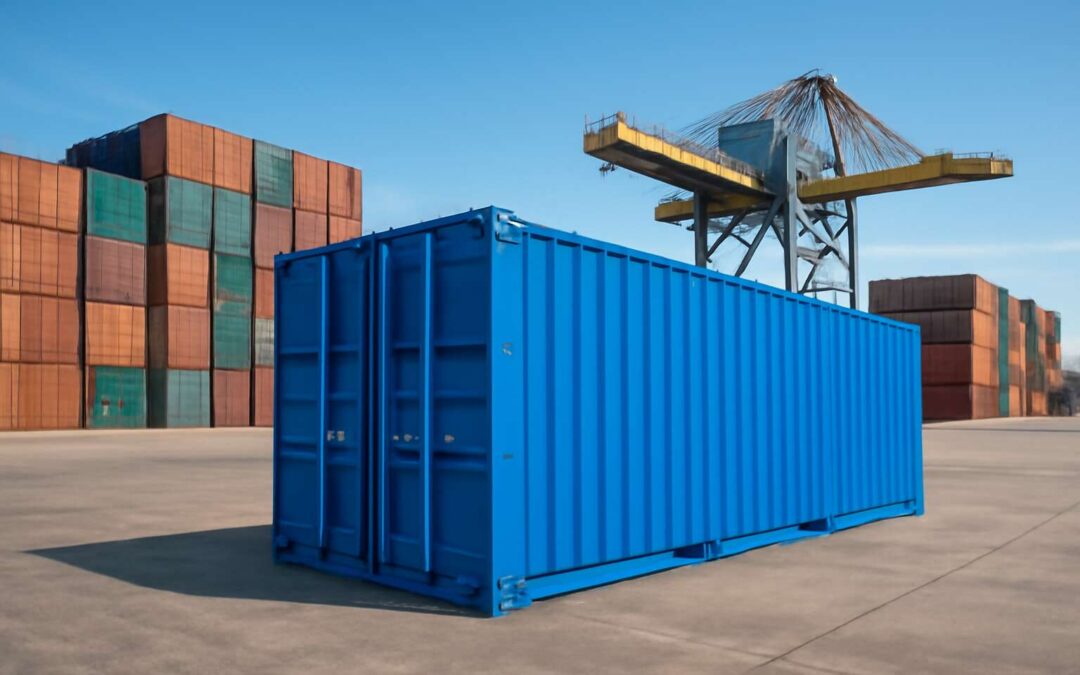
Dimensions and capacity come into sharp focus at a glance. External: about 9.14 m long, 2.44 m wide, 2.59 m high. Internal space runs roughly 8.7 m by 2.35 m by 2.38 m, delivering about 67 m3 of capacity.
- External dimensions: 9.14 m x 2.44 m x 2.59 m (30 ft x 8 ft x 8 ft 6 in)
- Internal dimensions: approx 8.7 m x 2.35 m x 2.38 m
- Volume: about 67 m3
- Max gross payload: up to ~28,000 kg
In South Africa, these shipping containers 30ft support stackable storage, adaptable space, and predictable handling—a reliable anchor for projects across industrial sites and urban developments.
Common variants and door configurations
On busy sites, a thirty-foot box slashes on-site moves by up to 40%. A quiet workhorse, it keeps schedules honest and budgets intact.
Thirty-foot container variants come in practical flavors. The standard dry van uses end-opening double doors for weather-tight access. High-cube models add headroom for stacking tall equipment. For crane-heavy tasks, open-top or open-side configurations remove ceiling constraints. Refrigerated versions maintain temperatures, while insulated builds tame the SA sun. Some say the box hums with quiet efficiency.
- End-door double doors
- High-cube height for extra headroom
- Open-top for crane access
- Refrigerated variants for temperature control
- Side-access doors in some conversions
In South Africa, these configurations shape how teams move inside the box, not around it—shipping containers 30ft offer flexible access points that align with site workflows and safety protocols.
Weight limits and payload considerations
On busy South African sites, weight discipline is the quiet boss—if ignored, schedules crumble and budgets balk. In the field, I’ve watched shipping containers 30ft teach tough lessons when payload is treated like an afterthought.
- Tare weight (unladen): roughly 3,000–3,400 kg
- Maximum gross weight: 30,480 kg
- Usable payload: about 27,080–27,480 kg
Beyond the numbers, distribution and site constraints shape how you load and move inside the box. Even weight spread, crane and forklift capacities, and local road permits in SA all influence outcomes—it’s not just what you carry, but how you carry it; shipping containers 30ft demand respect for gravity and regulations.
Durability and lifecycle of materials and coatings
Across South Africa’s climate spectrum, shipping containers 30ft that are well maintained can outlive several project cycles—think 25 to 30 years with a disciplined coating schedule. I’ve seen crews turn weathered boxes into reliable workhorses, or watch neglected coatings let rust creep through deadlines.
Materials and coatings drive that longevity. COR-TEN steel forms the backbone, while epoxy primers and polyurethane topcoats fend off salt spray and sun. Every recoating reduces risk, especially near the coast; inland sites may stretch intervals. For shipping containers 30ft, coastal environments demand more frequent refreshes and thorough surface prep.
Lifecycle milestones you’ll encounter:
- Initial fabrication and protective coating
- Regular inspections for rust, dents, wear
- Recoating cycles (coastal every 5–7 years; inland 8–12)
- Refurbishment and panel/door hardware replacement
With steady maintenance, these steel guardians stay reliable custodians of cargo through many SA seasons.
Applications and Use Cases
Freight, logistics, and intermodal transport basics
More than 90% of the world’s traded goods ride the seas in containers, a quiet arithmetic that keeps shelves stocked and industries moving. In this vast web, shipping containers 30ft act as dependable, modular building blocks for how we move, store, and think about space.
In freight and logistics, the 30ft box is a versatile partner across intermodal networks. It balances capacity with maneuverability in busy hubs and remote depots alike. For South Africa, that means smoother transitions between Durban, Cape Town, and inland terminals. The rhythm of port yards tells a story of disciplined efficiency.
- Intermodal handoffs between road, rail, and sea
- Temporary regional storage during peak seasons or project cargo
- On-site modular space for workshops and field operations
Beyond capacity, these containers simplify freight workflows. They enable predictable handling and safer cargo transfer, reinforcing reliability that customers anchor their operations on. The result is less guesswork and more human trust in a system that keeps communities fed and industries thriving.
These boxes are not merely vessels but anchors of trust, bridging mine to market with quiet, purposeful efficiency.
On-site storage solutions and site planning
Across South Africa’s bustling work sites, a telling stat travels quietly: portable storage can trim on-site downtime by up to 30%. A fleet of shipping containers 30ft rises like a steadfast horizon, turning scattered plans and fatigue into organized possibility.
These containers redefine on-site storage solutions and site planning. In ports of Durban and Cape Town, and at inland depots, modular space becomes shelter, workspace, and staging ground—quick to deploy, gentle on budgets, and ready to evolve with the project’s tempo.
Key uses include:
- On-site storage of tools, spares, and materials
- Temporary offices and field operations hubs
- Modular workshops or dry-walled meeting spaces
Designed to endure South Africa’s sun and weather, these boxes are not mere containers but adaptable anchors for teams chasing a horizon of efficiency and human trust.
Conversions for housing, offices, or workshops
On a busy South African site, portable space can cut downtime by up to 30%. The shipping containers 30ft line up like a horizon of possibility, turning scattered plans into ready-to-work zones.
Conversions move beyond boxes. Housing, offices, or workshops can be created with minimal site disturbance and fast installation. Interiors can be insulated, powered, and plumbed for real living or working spaces in record time.
- Temporary housing and crew accommodation
- On-site offices and command hubs
- Modular workshops or maintenance bays
These setups endure South Africa’s sun and weather, proving that space can be flexible without breaking budgets. It’s steady, reliable, and surprisingly humane! I’ve watched crews repurpose a 30ft unit into a bright crew room that keeps morale high.
Industry-specific use cases for construction, agriculture, and events
On South Africa’s busy sites, reliable temporary space can slash downtime by up to 30%. Shipping containers 30ft stretch along the horizon of possibility, turning scattered plans into ready-to-work zones. They nestle beside noise and dust, keeping crews moving from dawn till the last knock of dusk.
- Construction: mobile tool rooms, weatherproof material storage, quick command hubs
- Agriculture: portable wash stations, cold storage, and field stations for agronomy crews
- Events: pop-up venues, backstage lounges, catering kiosks
Beyond the headlines, these configurations hint at a broader truth: space can adapt to purpose without uprooting a site. In farming and events, the containers become simple, efficient hubs for routine tasks, quick-turn tasks, and small moments of relief amid long days.
With a 30ft footprint, the space invites tailored layouts and humane interiors that respect budgets while lifting morale and productivity.
Buying, Renting, and Sourcing Strategies
Where to buy or rent thirty-foot containers
In South Africa’s rural towns, a single shipping containers 30ft can be a lifeline—a sturdy workshop, a dry storeroom, or a classroom sprung from a tin roof.
Buying smart means checking doors, seals, and floors; if second-hand, demand repainting and a basic load test. The choice between new and used hinges on condition and intended use.
Renting offers flexibility during seasonal shifts. Look for terms that feel clear and fair, with a path to adjust should plans change—especially for a thirty-foot unit.
- Local container dealers
- Online marketplaces
- Auctions and refurbishers
- Fellow contractors and freight firms with surplus stock
Sourcing hinges on a tight local network; I’ve found SA refurbishers, trusted dealers, and freight firms that carry certified, ready-to-use units.
New versus used options and what to inspect
Across South Africa, the shipping containers 30ft can transform a bare yard into a durable workshop, dry storeroom, or even a classroom sprung from a tin roof. Buying smart means weighing condition against intended use. A fresh, new unit offers pristine doors and seals; a second-hand version demands repainting and a basic load test to prove its heart stays strong. The choice hinges on condition and ambition.
Renting offers seasonal flexibility and relief from long-term commitment. Seek terms that read clearly and feel fair, with a path to adjust if plans shift—especially for a 30ft unit that must scale with your project.
- Transparent duration and renewal options
- Defined maintenance and access responsibilities
- Flexible delivery windows and location suitability
Sourcing remains a game of networks. Local SA refurbishers, trusted dealers, and freight firms with certified, ready-to-use units form a tight circle I rely on. In my experience, a robust local supply of shipping containers 30ft reduces downtime and keeps the dream alive.
Costing, budgeting, delivery, and financing options
Shipping containers 30ft are not just metal boxes; they’re portable space you can park on a bare yard, and call productive. In South Africa, buyers weigh upfront cost against long-term utility, imagining a workshop, storeroom, or classroom rather than a one-off unit. A well-sealed container stays usable longer and scales with demand.
Buying or renting involves costing, budgeting, delivery, and financing options that shape the project. Costs extend beyond the sticker price: transport, site prep, insurance, and ongoing maintenance.
- Purchase price and depreciation
- Rental terms and renewal
- Freight and delivery windows
- Insurance and maintenance
Sourcing strategies: rely on local SA refurbishers, trusted dealers, and freight firms with certified, ready-to-use units. A robust local supply reduces downtime and keeps projects moving.
Modification, Compliance, and Safety
Popular modifications for doors, insulation, vents, and windows
Modification reveals space’s potential, not merely its shell. For shipping containers 30ft, doors, insulation, vents, and windows determine how a space breathes. Popular upgrades include weather-sealed doors, better insulation with vapour barriers, vent systems, and daylight windows or skylights.
- Weather-sealed doors with robust hardware
- High-performance insulation and vapour barriers
- Vent systems: passive louvers or powered exhaust
- Double-glazed windows or skylights
Compliance is the quiet rule. For shipping containers 30ft in South Africa, local regulations, fire safety standards, and electrical guidelines shape every change. Structural checks preserve the frame, while sealing and drainage guard against moisture and corrosion.
Safety anchors design. Slip-resistant floors, secure locks, proper venting, and clear egress reduce hazards—longevity!
Interior layouts and space optimization
Modification is where space breathes—space that matters in South Africa’s fast-pace urban landscape. For shipping containers 30ft, interior layouts and fit-outs transform a rigid steel box into a tailored studio, clinic, or workshop. Thoughtful partitions, raised floors for drainage, and smart daylight planning unlock zones that feel larger than their footprint.
Compliance keeps that transformation lawful in South Africa. Local regulations, fire safety standards, and electrical guidelines shape every change, from materials to wiring routes. Structural checks preserve the frame, while sealing and drainage guard against moisture and corrosion.
- Modular partitions for reconfiguration
- Raised service plinths to hide cables
- Fold-away furniture to preserve openness
Safety and space optimization go hand in hand when designing interiors for the 30-foot box. I map zones for work, rest, and storage with sightlines, robust anchor points, and accessible exits. The aim is flow that meets habitability and compliance without sacrificing flexibility.
Electrical, plumbing, and HVAC considerations for conversions
Space is the soft heart of any transformation, and modification is where space breathes. For shipping containers 30ft, interior makeovers become poetry: modular partitions carve flexible zones, raised service plinths hide cables and outlets, and fold-away furniture keeps the box feeling open even when in use.
Compliance keeps that transformation lawful in South Africa. Local regulations, fire safety standards, and electrical guidelines shape every change—from materials to wiring routes. Structural checks preserve the frame, while sealing and drainage guard moisture and corrosion. The aim is a space that breathes freely while respecting the law.
Safety, electrical, plumbing, and HVAC considerations stitch the project together. I watch circuits align with robust anchor points, exits kept accessible, and plumbing routed to minimize leaks. HVAC choices prioritize ventilation and moisture control, with filtration that keeps air clean. When done with care, the 30ft container becomes not just a space but a living story.
Regulatory compliance and building codes for different uses
Form is space’s music, and modification is the conductor’s baton. In shipping containers 30ft, steel sighs into a living floorplan: modular partitions unfold, service plinths hide cables, and fold-away furniture keeps light and movement unconfined. Space breathes as needs shift.
Compliance in South Africa is the quiet gravity that shapes every cut and corner. Different uses summon different building codes, fire ratings, and electrical guidelines, so materials and routes are chosen with care. I map the permits, tests, and inspections as if tracing a rhythm through stone.
- Structural integrity and load paths
- Fire safety and means of escape
- Electrical, plumbing, and moisture management
Safety threads the loom: anchor points robust to movement, exits kept clear, and ventilation tuned to damp air. When compliance and care meet, the container becomes a resolute, living space—vital, lawful, and alive with possibility.
Permitting, stacking, and transport safety best practices
Urban footprints are shrinking, yet shipping containers 30ft can become a living building—if you know how to modify them. Modification turns steel into a breathing floorplan: partitions shift, cables hide in plinths, and fold-away furniture keeps light free.
Compliance in South Africa is the quiet gravity shaping every cut. Different uses demand building codes, fire ratings, and electrical standards; materials and routes are chosen with care. I map permits, tests, and inspections like a measured rhythm.
- Structural integrity per SANS 10400
- Fire ratings and means of escape
- Electrical, plumbing, and moisture controls
On safety, permitting, stacking, and transport, the final triad. For shipping containers 30ft, safety and compliance become a dance: anchor points secured, exits clear, ventilation balanced; stacking and tethering guard against shift; transport planning minimizes weather risks.
- Permitting and inspections
- Stacking and securing
- Route and load planning
