
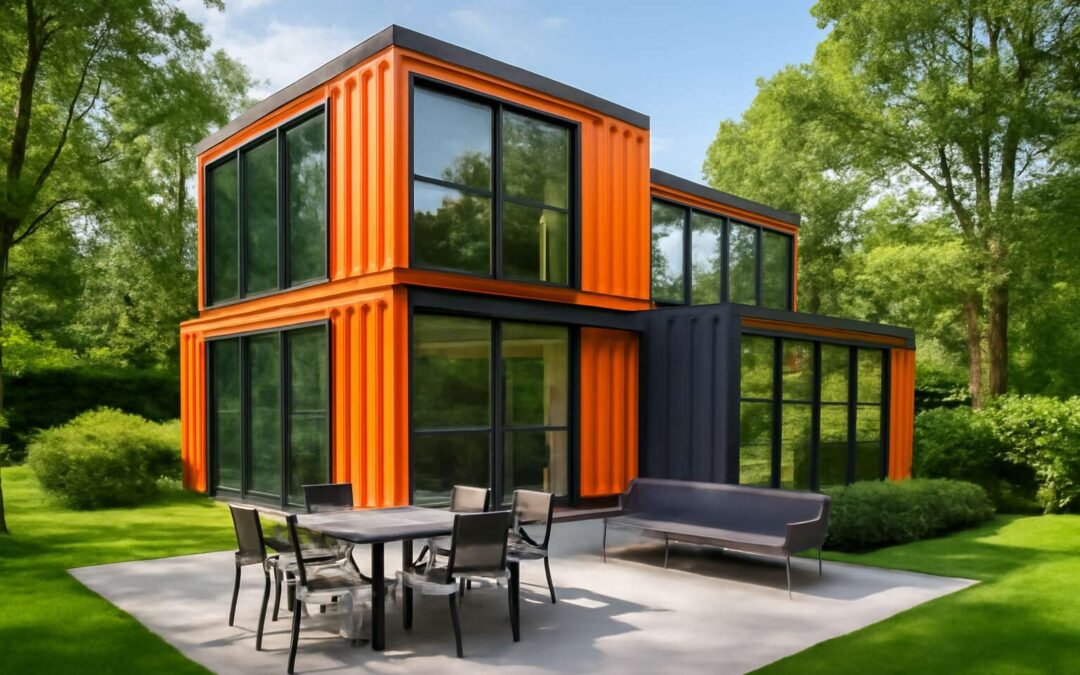
Benefits of Using Shipping Container Offices
Cost-Effectiveness and Budget-Friendly Solutions
In the realm of modern business architecture, few innovations conjure a sense of possibility quite like the converted shipping containers office. These marvels of ingenuity offer a cost-effective solution that transforms rugged maritime vessels into sleek, functional workspaces. The allure lies in their initial affordability—an investment that often rivals the cost of traditional construction—while unlocking a world of creative flexibility. Such structures are perfect for startups or expanding enterprises seeking to sidestep the financial labyrinth of conventional building projects.
Moreover, the budget-friendly nature of converted shipping containers office is matched by their astonishing versatility. They can be tailored to any size or design, from compact, cozy hubs to sprawling, multi-room complexes that seamlessly blend form and function. Their modular design allows for rapid deployment, meaning businesses can establish a professional environment in a fraction of the time and cost required for conventional buildings. The result is a dynamic workspace that not only saves money but also sparks innovation and resilience in the ever-evolving landscape of South African commerce.
Mobility and Flexibility
Flexibility is the hallmark of a converted shipping containers office. Unlike traditional structures, these mobile units can be relocated with ease, offering unmatched agility for South African businesses. Whether you need to move a startup to a new site or adapt a workspace to changing project demands, the ability to shift your office becomes a strategic advantage.
Shipping container offices are designed for mobility. They can be transported by truck, rail, or even ship—making them ideal for dynamic environments. This adaptability allows businesses to respond quickly to market shifts or expand without the hassle of permanent construction. It’s a solution that combines practicality with innovation.
- Rapid deployment—set up a fully operational office in days, not months.
- Scalable design—add more converted shipping containers office units as your team grows.
- Flexible location—move your workspace to new sites without significant downtime or disruption.
This level of versatility makes converted shipping containers office a smart choice for South African enterprises looking to stay nimble in a competitive landscape. Their inherent mobility ensures that your workspace can evolve with your business—no matter where opportunities take you!
Durability and Weather Resistance
In the unpredictable South African climate, durability is not just a bonus—it’s a necessity. Converted shipping containers office are crafted from high-grade steel, making them remarkably weather resistant. Whether it’s the relentless sun, heavy rain, or gusty coastal winds, these structures stand firm, defying nature’s fury with ease. Their robust construction ensures your workspace remains intact and functional, no matter what Mother Nature throws at it.
What truly sets converted shipping containers office apart is their ability to withstand harsh environmental conditions. The steel walls are often treated with protective coatings, enhancing corrosion resistance—crucial for South Africa’s diverse climate zones. This resilience minimizes maintenance costs and prolongs the lifespan of your office, turning a simple structure into a long-term investment.
- Superior strength ensures safety and stability during extreme weather events.
- Weatherproof design keeps interiors dry and protected from elements.
- Low-maintenance materials save time and operational costs over the years.
From coastal regions to inland areas, these converted shipping containers office are engineered to endure. Their weather resistance offers peace of mind, allowing businesses to focus on growth without worrying about environmental damage. When durability and resilience are paramount, this innovative solution rises to the occasion—delivering strength where it’s needed most.
Eco-Friendly and Sustainable Building Option
In an era where environmental consciousness often takes a backseat to instant gratification, choosing a converted shipping containers office emerges as a refreshingly responsible decision. These structures are not only practical but also serve as a testament to sustainable building practices. Crafted from repurposed steel, they embody the essence of eco-friendly innovation—reducing waste while offering a sturdy, functional workspace. Moreover, their modular nature means they can be reused, relocated, or repurposed, aligning perfectly with the ethos of a circular economy.
By opting for a converted shipping containers office, businesses contribute directly to reducing the carbon footprint associated with traditional construction. The steel used in these containers can be recycled endlessly, making them a smart choice for environmentally conscious companies. Additionally, many containers are treated with environmentally friendly coatings that prevent corrosion without harmful chemicals—further enhancing their sustainability profile.
For those who prize green building principles, these offices often incorporate energy-efficient features, such as solar panels and insulation materials that minimize energy consumption. This approach not only reduces operational costs but also supports South Africa’s broader goals of sustainable development and environmental preservation.
Quick Installation and Setup
Time is often a critical factor when establishing new workspaces. Converted shipping containers office units shine in this regard, offering rapid deployment that traditional buildings simply can’t match. Unlike conventional construction, which can take months, these structures can be installed in a matter of weeks. This speed minimizes business downtime and accelerates project timelines, making them ideal for startups, expanding companies, or temporary facilities.
Thanks to their modular design, setting up a converted shipping containers office is straightforward. Prefabricated off-site, they arrive ready to connect to utilities and be customized to specific needs. This streamlined process means less on-site disruption and a faster path to operational readiness.
Additionally, their simple assembly allows for easy expansion or relocation. If your business needs more space or a different location, a converted shipping containers office can be moved with minimal fuss. This flexibility is a game-changer, enabling companies to adapt quickly to changing circumstances without sacrificing time or resources.
Design and Customization Options for Container Offices
Interior Layout and Space Optimization
Designing a converted shipping containers office is an exercise in ingenuity, transforming utilitarian steel boxes into inspiring workspaces. The interior layout can be tailored to meet specific needs, whether it’s creating open-plan areas that foster collaboration or secluded nooks for focused tasks. Customization options are virtually limitless, allowing for bespoke finishes, vibrant color schemes, and innovative fixtures that reflect your brand’s personality. Space optimization is essential; clever partitioning and multi-functional furniture maximize every square meter without sacrificing comfort.
Incorporating modular features not only enhances flexibility but also ensures the office adapts seamlessly as your team grows. For those seeking a truly unique environment, there are interior layout options such as internal mezzanines or fold-away desks that amplify spatial efficiency. The goal? To craft a converted shipping containers office that feels expansive, welcoming, and perfectly aligned with your operational demands. After all, a well-designed container office isn’t just about aesthetics—it’s about creating a productive haven that stands the test of time and weather, while still being easy to reconfigure when needed.
Exterior Aesthetic Enhancements
In the shadowy realm of architecture, where steel meets spirit, the exterior aesthetic of a converted shipping containers office transforms from utilitarian to mesmerizing. The surface, once a plain vessel of commerce, becomes a canvas for artistic expression and bold design choices. Think sleek, minimalist facades or rugged, industrial finishes—each telling a story of resilience and innovation.
Customization options for the exterior are virtually limitless; from vibrant color schemes that command attention to textured cladding that adds depth and character. Metal panels, wooden accents, or even graffiti art can turn your container office into a striking landmark. To elevate its visual impact, consider integrating lighting features—soft, ambient lights that cast shadows, revealing the building’s intricate details after dusk. The goal? To craft an exterior that not only withstands the elements but also captures the imagination of anyone who beholds it.
- Bold color palettes that reflect your brand’s personality
- Textured finishes for added visual intrigue
- Outdoor fixtures like signage or lighting that enhance curb appeal
By embracing these exterior enhancements, your converted shipping containers office becomes more than just a workspace—it becomes a statement of ingenuity, resilience, and style in the landscape of South Africa’s dynamic business environment. Every detail whispers a story of transformation, a testament to the art of turning steel into sanctuary.
Adding Windows, Doors, and Insulation
Design and customization options transform a converted shipping containers office into a functional and inviting space. Incorporating windows and doors isn’t just about aesthetics; it’s about creating a comfortable environment with ample natural light and easy access. Strategic placement of windows can improve airflow and boost energy efficiency, making the office more sustainable in South Africa’s diverse climate.
Insulation is equally vital—without it, a converted shipping containers office can become uncomfortably hot or cold. High-quality insulation ensures a stable interior temperature, enhancing productivity and comfort regardless of external weather conditions. Combining insulation with weather-resistant finishes guarantees longevity and minimal maintenance.
For tailored customization, consider the following:
- Adding large, energy-efficient windows for natural light
- Installing durable doors optimized for security and insulation
- Applying insulated panels to improve thermal regulation
Every element, from windows to insulation, allows for a personalized touch that aligns with your business needs. A converted shipping containers office isn’t just a prefab structure; it’s a blank canvas ready for your unique design vision!
Technology Integration and Connectivity
Technology integration and connectivity are transforming converted shipping containers offices from mere modular spaces into hubs of innovation. In South Africa’s rapidly evolving business landscape, seamless digital infrastructure is no longer optional—it’s essential. Customizable options like built-in Wi-Fi extenders, smart security systems, and integrated power sources ensure your container office remains both productive and secure.
Beyond basic connectivity, modern design allows for tailored technological features that enhance workflow and collaboration. For instance, climate-controlled environments equipped with sensor-based automation can maintain optimal conditions, boosting efficiency and comfort. These innovations help your converted shipping containers office adapt to diverse South African climates while supporting modern business needs.
Incorporating advanced technology into your container office isn’t just about function; it’s about creating a workspace that feels intuitive and forward-thinking. Whether it’s installing solar-powered systems, high-speed internet, or state-of-the-art security, these features elevate your container office into a sleek, high-performance environment. After all, a converted shipping containers office should serve as a dynamic space that grows with your enterprise’s ambitions!
Types of Shipping Containers Suitable for Offices
Standard Dry Containers
When it comes to choosing the right container for your converted shipping containers office, not all options are created equal. Standard dry containers are the backbone of most office conversions, thanks to their straightforward design and versatility. These containers are weatherproof, robust, and available in various sizes, making them the go-to choice for entrepreneurs eager to skip the construction chaos.
For those looking to add a touch of customization, standard dry containers can be transformed into sleek, functional office spaces with ease. They provide a blank canvas, allowing you to incorporate windows, doors, and insulation to suit your needs. Whether you need a compact workspace or a larger, collaborative environment, there’s a container option that fits just right in the South African landscape. The beauty of a converted shipping containers office is its adaptability—ready to be tailored to your business’s unique demands, all while offering a cost-effective and eco-friendly building solution.
High-Cube Containers
Among the many types of shipping containers suitable for creating a converted shipping containers office, High-Cube containers stand out as a formidable choice. Unlike their standard counterparts, these containers boast an extra foot of height, transforming confined spaces into voluminous, airy environments that inspire productivity and creativity. Their elevated ceiling height makes them particularly appealing for businesses seeking a sense of openness without expanding their footprint.
High-Cube containers are especially advantageous when planning an office that requires ample headroom for comfortable furniture arrangements, ventilation, and natural light. This extra volume allows for easier installation of insulation and interior modifications, making the space feel less cramped and more inviting. For those in South Africa looking to combine durability with aesthetic appeal, High-Cube containers offer a seamless blend of function and style, perfect for a converted shipping containers office that stands out.
- Enhanced interior space for flexible layout options
- Greater headroom to accommodate ergonomic furniture
- Improved ventilation and natural light potential
Choosing a High-Cube container transforms the typical into the extraordinary—turning a simple shipping solution into a bespoke office haven that adapts effortlessly to your business needs. This type of container is a testament to how functional design can elevate workspace environments while maintaining the integrity of a converted shipping containers office.
Refrigerated Containers
While most folks think of refrigerated containers as the coolers at your local supermarket, these frosty giants actually have a place in the world of converted shipping containers office solutions—especially if temperature regulation is a priority. These specialized containers, also known as reefer containers, are built to maintain precise internal climates, making them ideal for businesses that require sensitive equipment or perishable materials in their workspace.
Imagine transforming a refrigerated container into a high-tech startup hub or a research lab—it’s not as far-fetched as it sounds! Their insulated walls and robust refrigeration units provide a controlled environment that can be customized for comfort and functionality. Plus, with the added benefit of their sturdy construction, they are resilient against South Africa’s varied climate zones, ensuring your converted shipping containers office remains a reliable workspace come rain or shine.
While they might seem like an unconventional choice, refrigerated containers unlock a world of possibilities for innovative businesses seeking a unique, climate-controlled converted shipping containers office.
Modified Containers
Among the myriad options for creating a distinctive workspace, certain containers stand out like rare gems shimmering amidst the mundane. Specifically, the types of shipping containers suitable for offices are more diverse than one might imagine, each with its own unique character and purpose. For those seeking versatility, standard dry containers offer a reliable canvas—sturdy, spacious, and adaptable. High-cube containers, soaring in height, provide an expansive interior that lends an air of grandeur to any converted shipping containers office, perfect for entrepreneurs craving room to breathe and innovate.
But beyond these familiar choices lies a realm of specialized containers that elevate the concept of workspace transformation. Refrigerated containers—those frosty giants—are a surprising yet potent option, especially when temperature regulation is paramount. Their insulated walls and robust refrigeration units craft a climate-controlled haven, ideal for niche industries or sensitive equipment. These containers unlock a universe of possibilities, from high-tech laboratories to creative studios.
In this landscape of ingenuity, selecting the right shipping container is akin to choosing the vessel that will carry your vision into reality. Whether you opt for the dependable dry container or the specialized reefer, each offers a foundation upon which to build your ideal converted shipping containers office—an edifice of resilience, innovation, and bespoke functionality.
Key Factors to Consider When Choosing a Container Office
Size and Space Requirements
In the shadowed corridors of innovation, the size and space requirements of a converted shipping containers office become a haunting dance between necessity and ambition. The stark truth is that choosing the right dimensions can spell the difference between a thriving workspace and a claustrophobic cage. A space that is too cramped stifles creativity, while one that is overly expansive can drain resources and inflate costs.
When contemplating the ideal size, consider the nature of your enterprise—will it house a solitary soul or a bustling collective? For smaller operations, a 20-foot container might suffice, offering a cozy yet functional environment. Larger ventures demand 40-foot or even high-cube containers, providing ample room for future expansion.
In South Africa, where space can often be a premium, assessing your specific requirements with precision is paramount. Think about the workflow, storage needs, and potential for future growth—these elements shape your ultimate choice of a converted shipping containers office.
Location and Site Conditions
Location, location, location—an adage as old as real estate itself, but equally critical when it comes to a converted shipping containers office. In South Africa’s vibrant landscape, where space can be as elusive as a pot of gold, choosing the perfect site is a strategic dance of practicality and vision. The key is to evaluate not just the immediate needs but also future growth prospects, ensuring your converted shipping containers office can evolve without requiring a relocation miracle.
Site conditions play a starring role in the longevity and functionality of your workspace. Flat terrain minimizes foundation woes, while proper drainage prevents your office from turning into a muddy swamp after the next rainy season. Accessibility is also paramount—consider how easily staff, clients, and suppliers can reach your converted shipping containers office without navigating a maze of dirt tracks or steep inclines.
- Assess the local infrastructure—power, water, and internet connectivity are non-negotiables.
- Check for zoning regulations and permits to avoid a legal headache later.
- Evaluate environmental factors—are you in a high-wind zone or prone to flooding? These details can make or break your project’s durability.
Remember, the ideal site not only complements your operational needs but also enhances the aesthetic appeal of your converted shipping containers office—turning a utilitarian space into a statement of innovation and sustainability. After all, a well-chosen location is the backbone of a successful, stress-free business venture in South Africa’s dynamic market.
Budget and Cost Analysis
Choosing a budget for your converted shipping containers office isn’t just about crunching numbers; it’s about balancing vision with reality. In South Africa’s diverse economic landscape, costs can vary dramatically depending on factors like container type, size, and customization. A clear cost analysis helps prevent surprises and ensures your project remains financially sustainable from start to finish.
To get a comprehensive picture, consider all potential expenses—purchase price, transportation, site preparation, and interior fit-outs. Sometimes, opting for a standard dry container might be more budget-friendly, but if insulation or special modifications are needed, costs can escalate quickly. An honest assessment of your budget allows you to explore options that deliver maximum value without compromising quality.
Remember, a well-planned budget isn’t just about affordability; it’s about investing wisely in a durable, functional space that serves your needs today and scales for tomorrow. The right financial groundwork makes the difference between a container office that’s a fleeting solution and one that becomes a lasting cornerstone of your business journey in South Africa’s vibrant market.
Compliance with Building Regulations
Compliance with building regulations is critical when choosing a converted shipping containers office in South Africa. Without proper adherence, projects risk delays, fines, or even forced dismantling. Regulations vary by municipality, but most require standards for structural safety, fire safety, and electrical installations. Ignoring these can compromise both safety and legality.
Ensuring your container office meets all local codes involves consulting with experts familiar with South Africa’s building standards. It’s essential to verify that the container type and modifications align with zoning and environmental laws. Some areas might have restrictions on container placement or require specific permits.
To streamline compliance, consider these steps:
- Obtain necessary permits before installation
- Use certified materials and approved modifications
- Hire professionals experienced in container-based structures
By prioritizing compliance, your converted shipping containers office won’t just be functional — it will be a legal, safe, and sustainable investment for your business in South Africa’s dynamic market.
Security and Safety Features
Safety and security are the backbone of any successful converted shipping containers office. In South Africa’s vibrant business landscape, protecting your investment isn’t just about safeguarding property—it’s about ensuring peace of mind for everyone who steps inside. Robust security features like reinforced doors, high-quality locks, and surveillance systems help deter intruders and prevent vandalism.
Equally vital are fire safety measures. Installing fire-resistant materials, smoke detectors, and accessible emergency exits can make all the difference in a crisis. For environments where electrical installations are part of the converted shipping containers office, incorporating proper grounding and alarm systems is essential to prevent hazards.
Choosing a container with built-in security features or retrofitting it with additional safety elements is a wise move. Remember, a secure office isn’t just a legal requirement—it’s a foundation for trust and stability in any business venture.
Construction and Conversion Process
Assessment and Site Preparation
Construction and conversion process assessment is crucial to ensure the success of a converted shipping containers office. It involves evaluating the structural integrity of the container and determining the modifications needed for a functional workspace. This step helps identify any weaknesses that could compromise safety or durability, especially in South Africa’s varied climate conditions.
Site preparation follows, where the land is cleared, leveled, and prepared to support the weight of the converted shipping containers office. Proper groundwork prevents future issues like shifting or instability. It’s essential to consider local site conditions—such as soil type and drainage—to optimize installation and longevity.
Before the actual conversion begins, a detailed plan is often created, covering everything from insulation to electrical wiring. This assessment ensures that each phase aligns with safety standards and project goals, paving the way for a smooth transformation of the converted shipping containers office into a durable, eco-friendly workspace.
Design Planning and Customization
Design planning and customization are the backbone of creating a successful converted shipping containers office. This phase transforms a basic container into a tailored workspace that meets specific needs. It involves detailed layout design, selecting finishes, and integrating key features like energy-efficient lighting and climate control systems.
Choosing the right type of container—be it a standard dry container, high-cube, or refrigerated unit—depends on the intended use and site conditions. Each offers distinct advantages, from extra height to specialized insulation, ensuring the converted shipping containers office performs optimally.
During this stage, careful consideration is given to functionality and aesthetic appeal. For example, adding windows and doors improves natural light and access, while exterior aesthetic enhancements can make the office more inviting. Customization options are nearly limitless, allowing for unique configurations that suit different industries and preferences.
In South Africa, where climate variability is a factor, insulation and ventilation are prioritized to create a comfortable environment year-round. This meticulous planning guarantees the final product is not only practical but also visually appealing and aligned with local standards.
Container Modification Techniques
As the transformation unfolds from raw steel to a vibrant workspace, the construction and conversion process of a converted shipping containers office becomes an intricate dance of ingenuity and precision. Each modification technique is a brushstroke on the canvas of functionality and aesthetic allure, ensuring the final product exceeds expectations. The art lies in meticulous cutting, welding, and sealing—turning rugged containers into inviting offices that withstand South Africa’s capricious climate.
Structural reinforcements are often essential—adding steel braces and supports to enhance durability and safety. For interior customization, skilled craftsmen employ techniques such as framing and paneling, creating a seamless blend of form and function. If the design calls for increased height or specialized insulation, high-cube containers or refrigerated units are carefully modified to meet precise specifications. The process involves a symphony of steps—each crucial to crafting a space that is resilient, efficient, and uniquely suited to its purpose.
In some cases, modular modifications are employed, allowing for quick assembly and disassembly, which is ideal for dynamic sites or evolving needs. External features like custom doors, windows, and aesthetic facades are integrated through expert fabrication—transforming industrial shells into captivating, professional environments. The fusion of these techniques results in a converted shipping containers office that is not merely a container, but a testament to innovative craftsmanship—standing tall amidst South Africa’s diverse landscapes and demanding conditions.
Transportation and Installation
Transporting and installing a converted shipping containers office requires careful planning and precise execution. Once the containers arrive on site, a team of skilled technicians begins the process of positioning them securely. This involves heavy-duty cranes and specialized transport equipment to ensure safety and accuracy, especially when working within South Africa’s diverse terrain. Proper site assessment is crucial—unstable ground or uneven surfaces can complicate installation, so groundwork must be prepared thoroughly.
Following transportation, the containers are carefully placed and anchored. This step is vital to ensure stability against South Africa’s variable weather conditions. For larger projects or multiple units, a staged approach helps streamline installation, preventing delays. External features like custom doors, windows, and ventilation systems are then integrated through expert fabrication. This seamless process transforms raw containers into a resilient, functional converted shipping containers office ready for use. It’s a journey of precision and craftsmanship—turning industrial shells into vibrant, professional environments that stand the test of time and climate.
Finishing Touches and Interior Design
Once the structural groundwork is set and the containers are securely anchored, the journey to transforming a converted shipping containers office into a polished, functional space truly begins. This stage involves meticulous construction and conversion processes that blend durability with aesthetic appeal. Skilled craftsmen apply high-quality finishes, ensuring the interior and exterior surfaces are not only visually appealing but also resilient against South Africa’s capricious climate.
Attention to detail shines through as the space is refined with seamless joints, weatherproof coatings, and tailored fixtures. At this juncture, the focus shifts to interior design—where clever space optimization and modern aesthetics converge. An organized layout enhances productivity, making the most of every square meter. Thoughtfully selected flooring, wall finishes, and lighting elevate the environment from utilitarian to inspiring.
External features receive their final touches, including the addition of custom doors, windows, and ventilation systems, which are crucial for comfort and security. For a truly bespoke converted shipping containers office, incorporating creative exterior enhancements like cladding or branding elements adds character. The end result? A resilient, stylish workspace that embodies innovation, perfectly suited for South Africa’s diverse terrain and climate considerations.
Maintenance and Longevity of Shipping Container Offices
Routine Maintenance Tips
In the realm of converted shipping containers office, longevity is not merely a matter of luck but a testament to diligent stewardship. Like a seasoned sailor tending to a vessel amid turbulent waters, routine maintenance ensures this resilient structure withstands both the harsh South African sun and sudden downpours. Regular inspections of the exterior, particularly the protective coating, guard against corrosion that can silently erode the integrity of your workspace over time.
To preserve the pristine condition of your converted shipping containers office, consider these essential upkeep practices:
- Reapply weatherproof paint to shield against moisture and UV damage.
- Check seals around windows and doors periodically to prevent leaks.
- Clear drainage paths to avoid water accumulation that can compromise the foundation.
Embracing these simple yet effective routines extends the life of your investment, transforming your converted shipping containers office into a durable haven that endures the test of time and elements alike. When cared for with vigilance, this eco-friendly and cost-effective solution remains a steadfast partner in your business journey, standing tall against the relentless march of weather and wear.
Signs of Wear and Repairs
Every steel fortress, no matter how mighty, whispers secrets of wear and tear after a few seasons under the South African sun. Signs of corrosion and structural fatigue often creep in unnoticed, silently gnawing at the integrity of your converted shipping containers office. Spotting these early indicators is crucial—rust patches, paint bubbling, or misaligned doors are telltale signs that repairs are imminent.
When it comes to maintaining your converted shipping containers office, a keen eye can save a fortune in repairs down the line. Regular inspections should include checking for cracks in the paintwork, ensuring seals around windows and doors are intact, and monitoring the foundation for water pooling or erosion. Sometimes, the damage is subtle—like a slow leak or a patch of rust—yet these small issues can snowball into costly fixes if left unchecked.
- Assessing structural integrity
- Repainting and rust-proofing
- Replacing worn seals and weatherproofing materials
Addressing repairs swiftly not only extends the lifespan of your converted shipping containers office but also preserves its aesthetic appeal and functional reliability. Remember, a little preventative maintenance goes a long way—keeping your eco-friendly, cost-effective workspace standing tall amidst South Africa’s capricious weather patterns! After all, a well-maintained container isn’t just an office; it’s a resilient testament to your savvy investment.
Weatherproofing and Insulation Upgrades
In the relentless South African climate, the longevity of your converted shipping containers office hinges on meticulous weatherproofing and insulation upgrades. These elements are the backbone of resilience, shielding your workspace from the capricious whims of nature. Proper insulation not only maintains a comfortable interior temperature but also reduces energy consumption—an essential consideration for sustainable operation.
Weatherproofing, meanwhile, acts as an armor against rain, wind, and dust—common adversaries in many South African terrains. Regularly assessing and upgrading seals around windows and doors is vital. For added durability, consider installing high-quality, rust-resistant coatings that fortify the container’s exterior, extending its lifespan significantly.
In some cases, upgrading the insulation involves adding spray foam or insulated panels—transforming a basic converted shipping containers office into a refuge of comfort and efficiency. These enhancements ensure your workspace remains functional and inviting, regardless of the weather’s fickle moods. After all, a well-maintained container isn’t just about aesthetics; it’s about preserving a resilient, cost-effective sanctuary amidst South Africa’s diverse climate challenges.
Long-Term Durability Considerations
In the dance of durability and design, the longevity of your converted shipping containers office stands as a testament to vigilant care and foresight. Like a seasoned sailor tending to their vessel, regular maintenance breathes life into your workspace, ensuring it withstands the relentless South African elements. Over time, even the sturdiest structures reveal signs of wear—rust spots, seal breaches, or minor dents—each a whisper from the environment urging attention.
To preserve the integrity of your converted shipping containers office, a systematic approach to upkeep is essential. Start with routine inspections—checking seals, paintwork, and structural joints. Addressing corrosion promptly, perhaps with rust-resistant coatings, turns minor blemishes into opportunities for reinforcement. For a more profound safeguard, consider upgrading with high-quality, weatherproof paint and reinforced insulation—these act as armor, deflecting the abrasions of time and weather.
Introducing a simple, yet powerful, maintenance schedule—such as:
- Periodic cleaning to remove dust and debris that accelerate deterioration
- Timely sealing of cracks and gaps to prevent water ingress
- Reapplication of protective coatings to ward off corrosion
Ultimately, a well-maintained converted shipping containers office morphs from a mere shelter into a resilient sanctuary, standing firm against South Africa’s diverse climate, year after year. Such dedication ensures your investment remains as formidable and functional as the day it was first set in place—an enduring testament to craftsmanship and care!
Real-World Examples of Converted Shipping Container Offices
Commercial Business Spaces
In South Africa, innovative entrepreneurs are turning to converted shipping containers offices as a symbol of resilience and ingenuity. These versatile structures have been adopted by a range of commercial businesses seeking to make a bold statement while optimizing their workspace. For instance, tech startups often choose converted shipping containers office solutions to create an inspiring and modular environment that can expand effortlessly with their growth.
Some businesses have even gone a step further by customizing their converted shipping containers office with stunning exterior finishes and interior layouts tailored to their unique needs. From pop-up retail shops to mobile clinics, the possibilities are as boundless as the horizon itself. The ability to swiftly relocate or reconfigure these structures aligns perfectly with the dynamic nature of South Africa’s emerging markets, making converted shipping containers office an increasingly popular choice for modern enterprise.
Construction Site Offices
Across South Africa’s burgeoning commercial landscape, the ingenuity of converted shipping containers office solutions continues to captivate entrepreneurs and developers alike. An outstanding example is a construction site office in Johannesburg, where a series of repurposed containers form a sturdy, weather-resistant hub that withstands the rigors of daily site activity. These structures aren’t just functional—they tell a story of resilience and adaptive design.
In Cape Town, a tech startup embraced the versatility of converted shipping containers office by customizing their workspace with vibrant exterior finishes and open-plan interiors. The modular nature of these containers allows for seamless expansion, accommodating rapid growth without the hassle of traditional construction delays. For projects requiring swift setup, a well-planned converted shipping containers office can be deployed in mere days, providing immediate operational capability in dynamic environments.
Some innovative businesses even utilize these containers as mobile units—perfect for pop-up retail or temporary clinics—highlighting their extraordinary adaptability. Whether serving as a temporary sales point or a bespoke workspace, the potential of a converted shipping containers office is limited only by imagination. As South Africa’s markets evolve at a relentless pace, these structures stand out as a testament to modern enterprise’s need for speed, flexibility, and sustainability.
Educational and Community Centers
Across South Africa, innovative communities are harnessing the potential of converted shipping containers office to foster education and community development. In rural areas, these adaptable structures serve as vibrant classrooms, bridging gaps where traditional infrastructure is scarce. For example, in KwaZulu-Natal, a local NGO transformed recycled containers into a lively learning hub, complete with solar-powered technology and colorful murals that inspire young minds.
Similarly, urban centers like Johannesburg have seen converted shipping containers office become focal points for community engagement. Temporary community centers, health clinics, and even small libraries are created swiftly, providing essential services without the delays of conventional construction. This rapid deployment proves invaluable in underserved neighborhoods where time and resources are limited.
- Cost-effective construction that stretches budgets further
- Ease of relocation to serve different community needs
- Eco-friendly reuse of materials reducing environmental impact
The flexibility of a converted shipping containers office unlocks opportunities for grassroots initiatives, making a tangible difference in people’s lives. These structures are more than just functional—they embody resilience, adaptability, and hope for a brighter future.
Remote Work and Co-Working Spaces
Across South Africa, innovative entrepreneurs and remote workers are discovering the transformative power of converted shipping containers office for creating dynamic work environments. In bustling Johannesburg, several co-working spaces utilize converted shipping containers office to foster collaboration in a unique, industrial-chic setting. These compact yet versatile structures can be quickly assembled, providing a seamless solution for startups seeking a cost-effective and stylish workspace.
In addition, remote work has found a new home in these adaptable containers, offering privacy, comfort, and connectivity. Some companies have even developed themed interiors—ranging from modern minimalism to vibrant creative hubs—that inspire productivity and innovation. The ability to relocate these converted shipping containers office effortlessly means they can evolve alongside business needs, making them a popular choice for temporary project sites or expanding enterprises.
Furthermore, the eco-friendly aspect of repurposing shipping containers aligns with South Africa’s growing emphasis on sustainable development. These structures not only reduce environmental impact but also serve as eye-catching landmarks that showcase forward-thinking design. Whether as a remote office or a co-working space, converted shipping containers office continue to redefine the boundaries of modern work environments—turning industrial relics into hubs of opportunity and ingenuity.
Environmental Impact and Sustainability of Container Offices
Reducing Construction Waste
In a world increasingly conscious of environmental impact, converted shipping containers office stand out as a beacon of sustainability. These innovative structures significantly reduce construction waste, a critical factor in lowering the carbon footprint associated with traditional building methods. By repurposing existing containers, we give new life to materials that would otherwise end up in landfills, embodying a true commitment to eco-friendly practices.
Moreover, the process of converting shipping containers into functional offices generates far less debris and requires fewer resources, making it a greener alternative. This approach not only conserves natural resources but also minimizes disruption to the surrounding environment during installation. For organizations committed to sustainability, a converted shipping containers office offers a practical, eco-conscious solution that aligns with global efforts to reduce waste and promote renewable practices.
In South Africa, where environmental challenges are pressing, embracing container offices supports the shift towards greener construction techniques. As more businesses seek sustainable options, the environmental benefits of using converted shipping containers become increasingly evident, making them an ideal choice for eco-aware developers and organizations alike.
Reuse and Upcycling of Containers
Transforming shipping containers into functional offices isn’t just a clever design trend — it’s a powerful step toward reducing environmental impact. Reuse and upcycling of containers breathe new life into what would otherwise be discarded, turning waste into wonder. This approach champions sustainability by diverting materials from landfills, thereby reducing the carbon footprint associated with traditional construction methods.
Container offices exemplify eco-conscious innovation. Their creation generates minimal debris and requires fewer resources, making them a greener alternative for businesses seeking sustainable solutions. The process of converting shipping containers into offices aligns with the global push for renewable practices, especially in environmentally challenged regions like South Africa. The reuse of high-cube or refrigerated containers further emphasizes resource efficiency, showcasing how versatile these structures can be.
Energy Efficiency Measures
Converted shipping containers offices are revolutionising sustainable construction, especially in environmentally conscious regions like South Africa. Their eco-friendly design significantly reduces the environmental footprint compared to traditional building methods. By repurposing high-cube or refrigerated containers, these structures divert waste from landfills and minimize resource consumption, aligning with global sustainability goals.
Energy efficiency measures further enhance the environmental benefits of converted shipping containers offices. Incorporating features such as solar panels, LED lighting, and advanced insulation transforms these containers into low-energy, highly sustainable spaces. Proper insulation not only reduces heating and cooling needs but also ensures year-round comfort, lowering overall energy consumption.
To maximize sustainability, some container offices also adopt passive design principles. For example, strategic placement and window orientation optimize natural light and airflow, decreasing reliance on artificial climate control. This holistic approach to eco-conscious innovation ensures that converted shipping containers office solutions are both environmentally responsible and economically viable, making them a smart choice for businesses committed to reducing their carbon footprint.
Eco-Friendly Materials and Practices
Converted shipping containers offices are redefining sustainability in construction, especially in eco-conscious regions like South Africa. Their use of eco-friendly materials and sustainable practices significantly reduces environmental impact. By repurposing high-cube or refrigerated containers, these structures divert waste from landfills and cut down on resource consumption, aligning perfectly with global sustainability goals.
Environmental impact is minimized through the integration of renewable energy solutions and eco-friendly materials. Solar panels installed on the roof of a converted shipping containers office generate clean power, while LED lighting reduces energy consumption. Advanced insulation not only enhances thermal regulation but also lowers the need for artificial climate control, which further diminishes the carbon footprint.
Moreover, the adoption of passive design principles—such as optimal window placement and natural ventilation—makes these offices even more sustainable. The strategic orientation of windows maximizes natural light and airflow, reducing reliance on electricity for lighting and cooling. This holistic approach ensures that converted shipping containers offices are both environmentally responsible and economically viable, making them a compelling choice for businesses aiming to lessen their ecological footprint.
